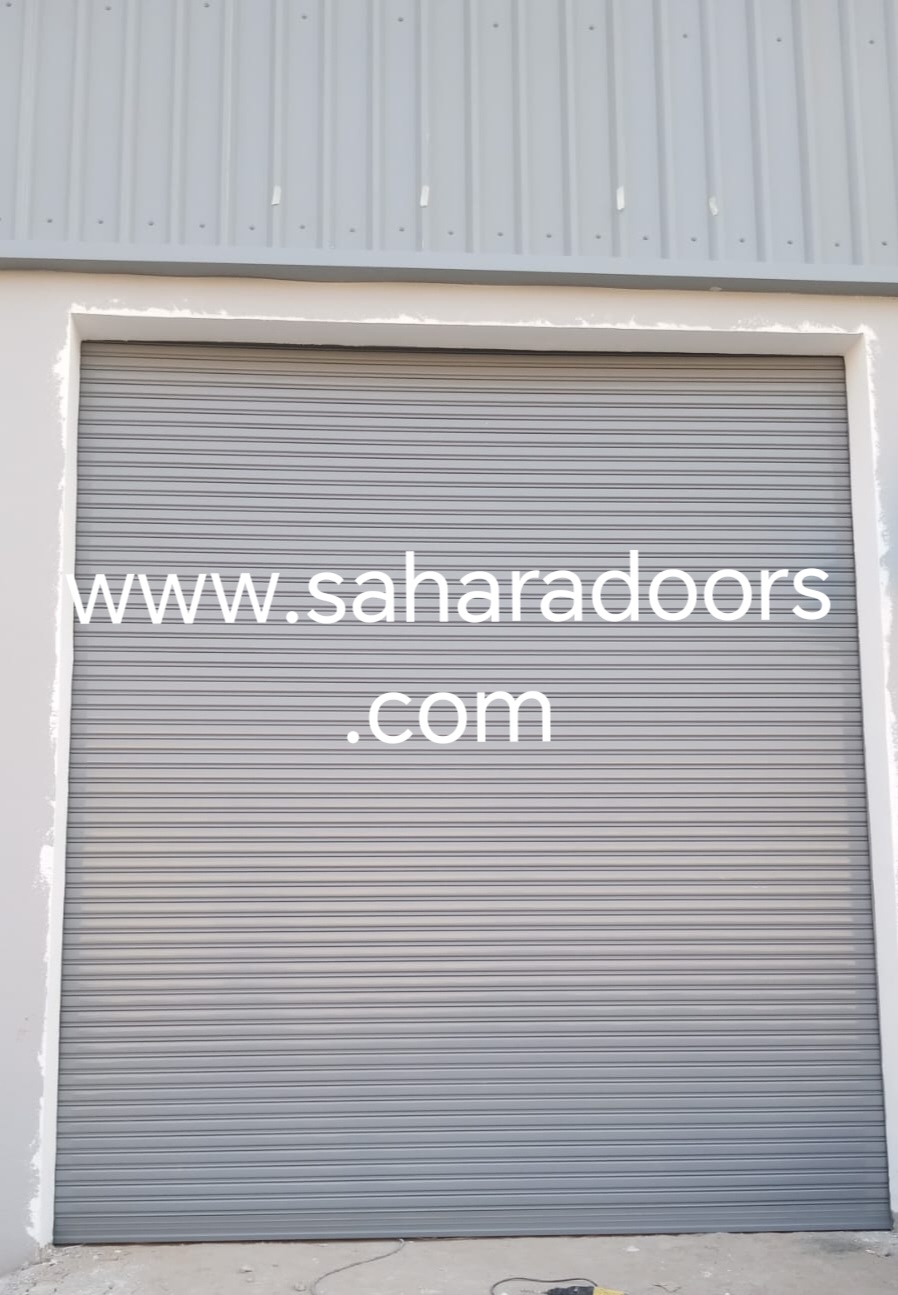
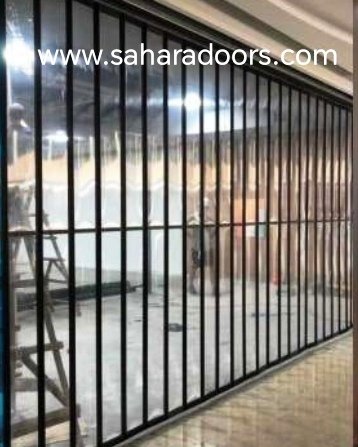
Installation time isn’t one-size-fits-all: a standard door can take about an hour to wrap when an experienced installer handles the work, while the full schedule depends on the opening and site conditions. For commercial roll up doors Dubai businesses and facilities across the UAE rely on, planning access, measurements and door type helps set realistic expectations before Sahara Doors & Metals LLC begins the work.
It’s reasonable to want a clear timeframe, especially when an entrance handles daily deliveries or customer traffic. The right door also needs to suit how the space operates, whether you need a secure warehouse opening, visibility for a storefront or separation between indoor zones.
This guide explains what affects installation time, how to compare rolling shutter types for your site, and how door use and upkeep can affect temperature control and energy consumption. You’ll also learn what maintenance involves and when a tailored installation plan from Sahara Doors & Metals LLC can help keep the entrance practical, secure and ready for regular use.
Key Takeaways
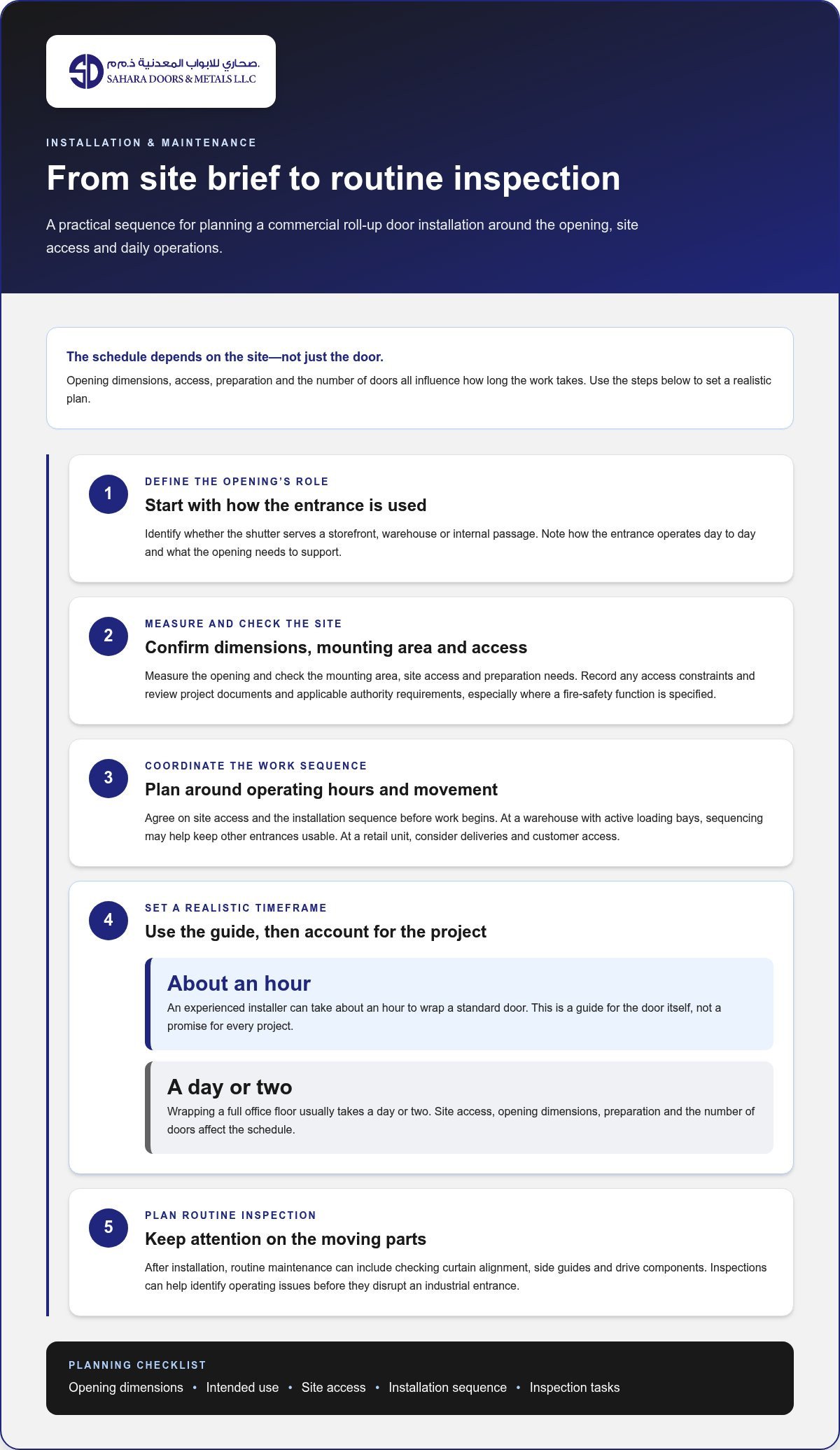
- Plan installation around the opening, site access and how the entrance is used to reduce disruption to daily operations.
- Match the shutter type to the site’s priorities, such as secure storage, storefront visibility or airflow.
- Keep dust and frequent use in mind when planning upkeep, especially for curtain alignment, guides and drive components.
- Door opening frequency and insulation affect how well a space holds its temperature and manages energy use.
- For warehouse and loading-bay applications, consider vehicle clearance, handling equipment and the movement of people and goods.
Installation and maintenance services
For commercial roll-up doors in Dubai and across the UAE, installation time depends on the opening, site access and preparation. A clear scope also makes it easier to plan maintenance around daily operations.
UAE Shutter Installation and Maintenance
Installation starts with measuring the opening and checking the mounting area, site access and intended use. These details help determine how the shutter fits the building and how the work can be carried out. After installation, routine maintenance for rolling high-speed doors includes checking curtain alignment, side guides and drive components. These inspections can help identify operating issues before they disrupt an industrial entrance.
Installation Time
An experienced installer can take about an hour to wrap a standard door. This is a guide for the door itself, not a promise for every project. Site access, opening dimensions, preparation and the number of doors all affect the schedule. Wrapping a full office floor usually takes a day or two, so projects with multiple openings need a broader installation plan.
For projects across the UAE, coordinate installation with operating hours and site access. A warehouse with active loading bays may need a sequence that keeps other entrances usable. A retail unit may need its entrance clear for deliveries or customers. Sharing measurements and access arrangements before work begins helps the installation team plan for the site.
Commercial roll-up door requirements depend on the building and the opening’s intended use. Review the project documents and applicable authority requirements when choosing a door, especially if the opening has a specified fire-safety function or integrates with specialized fire-rated aluminium and glass systems UAE to meet civil defence standards.
Suppliers and installers provide doors for commercial sites across the UAE. Compare the proposed scope, including site measurement, installation and routine inspection. For an entrance with frequent movement, maintenance can focus on curtain alignment, side guides and drive components. The service scope should reflect the opening’s use and the building’s operational needs.
Before installation, prepare a brief with the opening dimensions, how the entrance is used and any access constraints. Identify whether the shutter serves a storefront, warehouse or internal passage. Then agree on the installation sequence and inspection tasks. These steps help align the work with the building’s needs and support durability through regular use.
Rolling shutters for storefronts, warehouses and garages
Choose a shutter to suit the opening’s purpose: secure storage, visible retail frontage, airflow or insulation. Material and construction affect how the entrance serves the building, so compare these needs before choosing a design.
Shutters for Warehouses and Factories
Galvanized steel shutters suit warehouses, factories and other buildings that need a high-security closure. Their horizontal slats roll around a barrel above the opening, keeping the shutter above the access area when raised. For a loading entrance, consider the opening’s size, the goods moving through it and the space around the doorway. These details help match the shutter to the site’s daily use and movement requirements.
Perforated and Slotted Shutter Options
Perforated shutters allow airflow while maintaining a barrier across a retail or commercial opening. Their openings also provide partial visibility, which can help keep a closed storefront visually open. Slotted shutters are another option for ventilation and visibility. Compare the pattern with the site’s needs: a shopfront may benefit from visible displays, while a service area may prioritize airflow alongside secure access.
Commercial Door Material Comparisons
Steel roll-up doors suit warehouses and factories where secure closure is a priority. Aluminium shutters offer a lighter visual presence for storefronts, windows, balconies and sunrooms. Some insulated double-skin shutters use foam-filled slats to help limit heat transfer. Compare the opening’s exposure, security needs and temperature goals before choosing. The right fit depends on what the entrance needs to do each day.
Aluminium roll-up shutters can serve homes and businesses, including retail spaces where a compact, space-saving closure is useful. Their horizontal slats coil above the entrance rather than taking up the space used by a swinging door. For garages, storefronts or other buildings, consider the clearance required and how the shutter’s appearance suits the facade. A practical choice should fit both the opening and its surroundings.
When selecting a shutter, compare the material and design with the site’s use, opening dimensions and access needs. Look for a clear scope covering site measurement, installation and routine inspection. For example, an entrance with frequent movement may need maintenance focused on curtain alignment, side guides and drive components. Matching these details to the building helps avoid choosing a door based on appearance alone.
The price of a commercial roll-up door depends on the project and is provided after a quote request. Factors include opening dimensions, material, operating system and installation scope. A warehouse opening may need a different specification from a retail frontage. For a galvanized option, review the GI rolling shutter details alongside the requirements of your site.
Maintenance in dusty or warm environments
Dubai dust, sand and heat make consistent shutter care important for reliable daily operation. Fine particles can gather around the curtain and side guides, while frequent opening adds wear to moving components. A useful routine starts with noticing changes: uneven movement, unusual sounds or a shutter that no longer closes smoothly. These signs help identify when closer inspection is needed.
Dust control starts around the opening, not just on the visible curtain. Keep the floor and entrance clear of loose sand, especially near a loading bay where vehicle tyres can track grit inside. Inspect the side guides and remove loose debris without forcing the curtain or disturbing its alignment. For automatic shutters, check that movement remains smooth through the full opening and closing cycle.
During a visual inspection, focus on practical areas:
- Check the curtain for visible dirt, damage or uneven positioning.
- Look along the side guides for trapped sand or objects.
- Observe the drive components for unusual noise or movement.
- Keep the entrance clear so equipment and goods don’t strike the shutter.
In warm conditions, operating habits are also worth reviewing. A shutter left open longer than needed lets more outdoor air and dust into the building. At a retail entrance, staff can close it after deliveries or business hours. At a warehouse, coordinating access with vehicle movements can reduce unnecessary cycles while keeping the route usable.
Observe automatic operation during normal use. Do not test it by placing people or objects in the opening. If the curtain hesitates, moves unevenly or stops short, record what happened and when. Note, for example, whether the issue occurs during a busy delivery period or after dust has accumulated near the guides. This information helps maintenance teams assess the operating pattern.
Rolling shutters and sectional overhead doors move along different paths, so inspections should match the door design. A rolling curtain travels vertically into its overhead barrel; a sectional door moves along its own track arrangement. Keep each system’s movement path unobstructed, and avoid applying lubricant or making adjustments without following the relevant maintenance guidance. This helps prevent a cleaning task from becoming an unsuitable repair.
Use a maintenance record to connect site conditions with shutter performance. Note visible dust, operating changes and any inspections or servicing. A loading entrance exposed to sand may need closer observation than a sheltered internal doorway. Consistent records help identify recurring patterns and support timely upkeep without guesswork.
Temperature regulation and energy consumption
Across the UAE, an open commercial entrance can allow conditioned indoor air to mix with hot outdoor air. Frequent traffic through a loading bay makes this more likely. A rolling high-speed door can limit temperature loss, dust movement and cross-contamination between internal zones. Its value depends on how it supports the building’s operating pattern, not simply how quickly it opens.
Door use is one practical factor to manage. Map the busiest access periods, such as warehouse deliveries or customer entry at a retail site. Then consider whether staff can group movements or use access control to avoid unnecessary opening cycles. Keeping an entrance closed between movements helps separate the interior from outdoor conditions. The approach must still allow people, vehicles and goods to pass safely.
Insulation matters when a closed door separates spaces with different temperature requirements. Some roller door models use double-skinned, foam-filled slats for thermal insulation. Compared with a basic single-skin curtain, this construction can help reduce heat transfer through the door. For a commercial building, consider the room’s use, the difference between indoor and outdoor temperatures, and how often the opening is used.
A high-speed door may suit a busy internal route between a loading area and a controlled production space. Faster movement can reduce the time the opening remains exposed during each passage. It does not replace insulation: the door’s material, fit and operating pattern all affect temperature control. An insulated rolling shutter may be more relevant where a secure opening stays closed for longer periods.
Use these steps to assess the entrance:
- Identify whether it separates conditioned rooms, storage zones or outdoor access.
- Track when people, vehicles or deliveries use the opening most.
- Compare an insulated curtain with a high-speed door based on the site’s use.
- Review access control and staff routines to limit avoidable open time.
Air movement also affects dust and hygiene. A door between a dusty loading bay and a clean work area can help limit particles moving between zones when closed. In food handling or storage, separation supports the facility’s own hygiene procedures, but the door alone does not control contamination. The opening design and movement routine should suit the operation.
Assess energy performance as a system. An insulated door cannot prevent air exchange while left open, and careful operation cannot compensate for a door poorly suited to the opening. For a UAE warehouse, review the door construction, opening frequency, access-control method and indoor temperature needs together. These factors provide a practical basis for choosing a solution without assuming a fixed energy saving.
Warehouse, loading bay and production-area applications
Across the UAE, warehouses and processing facilities use rolling high-speed doors between loading bays, storage areas and controlled production spaces. The door separates work zones while allowing goods, vehicles and staff to pass. Start by mapping the route: identify where pallets arrive, where equipment turns and which areas need controlled access. This layout helps define the right opening and door position.
A rolling high-speed door uses a vertically moving reinforced flexible curtain, side frames and a geared motor designed for intensive duty cycles. This arrangement suits facilities that need frequent movement between zones. Some operations require hundreds of openings per shift, making cycle demands and control systems important factors in choosing a door. Select activation methods, such as motion sensors, pull cords or access controls, to suit how people and equipment approach the opening.
Measure for movement, not just the building opening. In UAE facilities, dimensions are selected according to vehicle clearance and pallet-handling equipment requirements. A forklift carrying a raised load needs a different clear passage from a pedestrian route or low-profile trolley. Check the widest vehicle, tallest load and turning path before fixing the opening dimensions. These checks help prevent bottlenecks during normal warehouse activity.
Use this site review to guide the layout:
- Trace the route between the loading bay, storage area and production space.
- Record the largest vehicle and load that must pass through.
- Identify pedestrian paths and access-control points.
- Choose activation that fits the approach and traffic flow.
Dust and sand exposure also matter at exterior-facing openings. A door engineered to resist dust, sand ingress and high winds can suit exposed sites, while the curtain and side frames still need appropriate upkeep. At a distribution facility, placing the door between the loading zone and storage area can help separate the spaces when the opening is closed.
For a production line, consider how the door’s movement fits the process. A door between a preparation room and a busy transfer route must allow the required flow without leaving zones unnecessarily connected. Place controls where operators can use them without crossing vehicle paths. At a loading bay, coordinate door operation with vehicle approach and loading activity so the entrance supports movement rather than creating a queue.
A useful project brief includes the route plan, vehicle and load clearances, operating frequency, exposure conditions and preferred activation method. These details help the installation plan address actual warehouse tasks rather than rely on a generic opening size. Review the brief against each zone’s function before finalizing the door arrangement.
Discuss your overhead access requirements
Sahara Doors & Metals: GI Rolling Shutter
Sahara Doors & Metals LLC helps Dubai businesses match a rolling shutter to their site’s security, access and visibility needs. A GI Rolling Shutter can suit an industrial opening that needs a durable barrier, while a Motorized Rolling Shutter supports powered operation. For shopfronts, a Polycarbonate Rolling Shutter preserves visibility; a Perforated Rolling Shutter allows airflow through the closed opening.
Consider the opening’s dimensions, daily use and whether you need a solid, motorized or more open design. These practical details help narrow down options for a warehouse, retail frontage or other commercial space. Sahara Doors & Metals offers tailored shutter designs for different property requirements.
Contact Sahara Doors & Metals or visit saharadoors.com to discuss a suitable shutter for your commercial opening.
Plan the Right Door for Your Next Project
Your next step is to turn the site’s day-to-day needs into a clear door brief. Note the opening’s purpose, how people and goods move through it, and what matters most: secure closure, visibility, convenient operation or temperature separation. This gives you a practical basis for choosing commercial roll up doors in Dubai that suit the building’s use.
Include the opening dimensions, surrounding access and preferred operating method in your project details. If the site has several entrances, describe how each one is used rather than treating them as identical. Sahara Doors & Metals LLC can help match a suitable shutter design to your requirements, with tailored options for different properties.
Take the next step with a clear picture of the entrance and its role in your business. A considered choice can support smoother daily operations and a more functional space.
Make your next commercial entrance a confident, practical choice.
Frequently Asked Questions
How long does installation take?
An experienced installer can take about an hour to wrap a standard door. A full office floor usually takes a day or two. For a site in Dubai, the schedule also depends on opening preparation, access for the installation team and the number of doors involved. Staging work around deliveries or customer access can help reduce disruption to normal operations.
What maintenance practices are important in UAE conditions?
Keep the shutter’s movement path clear of sand, loose debris and stored items. Look for changes in how the curtain travels, including unusual noise, uneven movement or incomplete closure. In a warehouse, vehicle traffic can bring grit close to the entrance, so include the floor area and side guides in visual checks. Record recurring issues and arrange an inspection of the drive components.
What opening sizes and cycle rates are usually specified?
Opening dimensions are selected to suit vehicle clearance and pallet-handling equipment, rather than a universal standard. A loading bay used by forklifts needs room for the vehicle and its load; a pedestrian passage has different requirements. High-speed doors may be selected for operations involving hundreds of openings per shift. The intended traffic pattern helps determine a suitable operating system and duty cycle.
What types of commercial roll-up doors are available in Dubai?
Options include GI, aluminium, polycarbonate, perforated and insulated double-skin rolling shutters, along with high-speed doors. GI shutters suit secure commercial openings, while polycarbonate shutters allow light and visibility. Perforated designs provide airflow and partial visibility. Insulated double-skin shutters can support temperature separation. Choose according to the opening’s purpose, desired visibility, ventilation needs and whether powered operation would help staff.
What sizes, wind ratings, and security features are available for Dubai commercial premises?
Sizes are tailored to the opening and what must pass through it, such as a delivery vehicle or pallet-handling equipment. Doors intended for exposed sites are engineered to resist dust, sand ingress and high winds, but the wind rating depends on the selected design. For security, consider the material and how the shutter closes across the entrance. Avoid assuming one specification suits every building.
How long does installation take, and what is the process in Dubai?
Installation starts with measuring the opening and reviewing its use, mounting area and site access. The team then fits the selected shutter and checks its movement through the opening. An experienced installer can take about an hour to wrap a standard door, while wrapping a full office floor usually takes a day or two. For occupied premises, plan the sequence around essential entrances and deliveries.
What warranty, maintenance, and repair services do Dubai roll-up door companies offer?
Warranty terms depend on the written agreement for the particular door, so review its coverage and stated conditions. Maintenance can include checking curtain alignment and side guides, inspecting drive components and recording any changes in operation. Sahara Doors & Metals LLC manufactures, supplies, installs and maintains shutter systems. A maintenance plan helps facility teams track inspections and keep service records together.