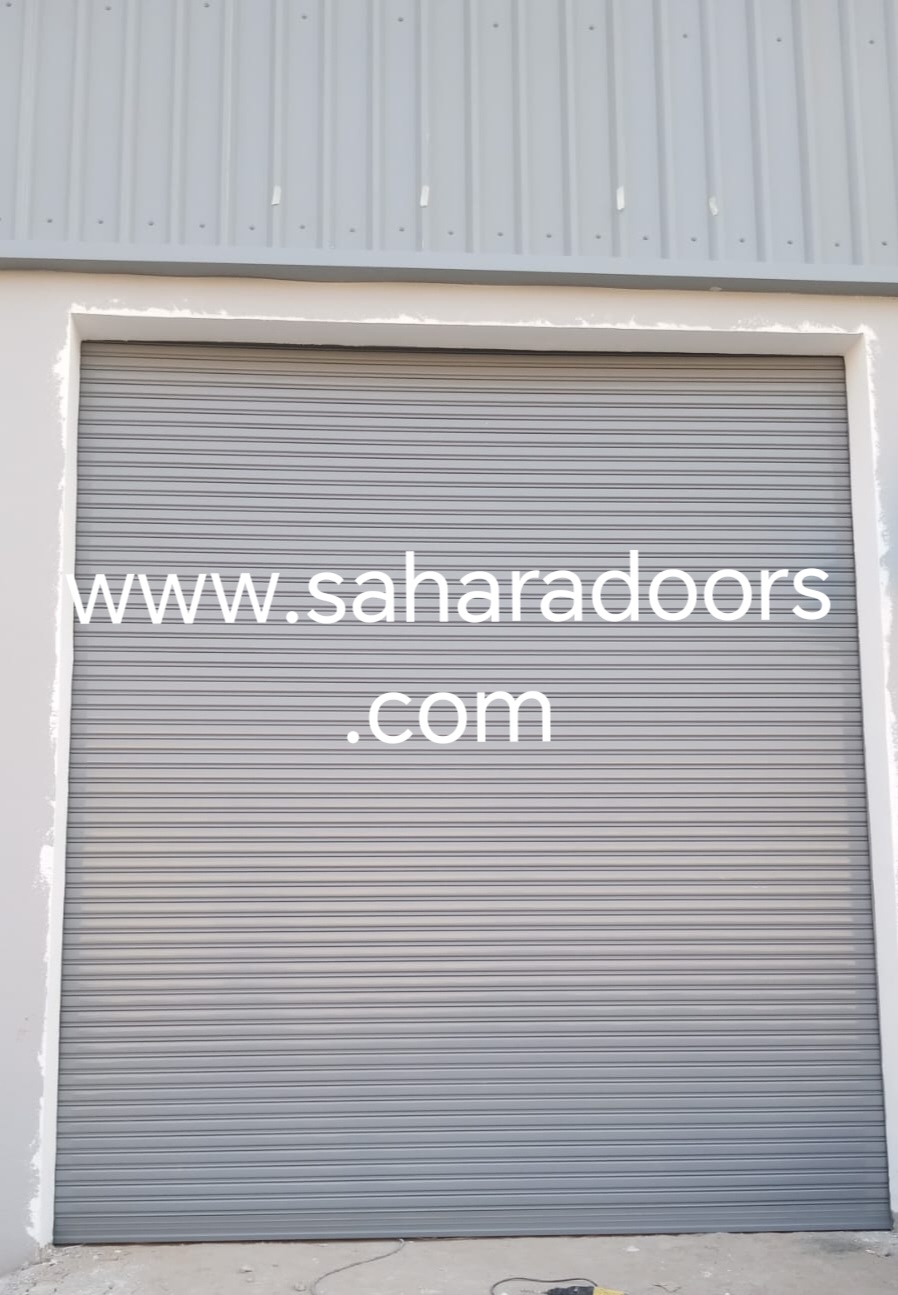
Yes. A rolling shutter motor can operate an industrial shutter when it is suited to the shutter and opening. Across the UAE, motorisation can make opening and closing more convenient than manual operation.
A shutter that stops, moves unevenly, or no longer responds may need attention to its motor or operating system. The next step depends on whether you’re motorising a manual shutter, replacing a faulty motor, or resolving an operating problem.
This guide explains how motorised shutters work, what to consider when converting a manual shutter, and common signs that a motor may need repair or replacement. It also covers everyday operation and how to plan a rolling shutter motor project in the UAE, helping you make a practical decision for your site.
Key Takeaways
- Industrial shutters can be motorised when the motor is matched to the shutter and opening. Learn which practical factors matter before choosing a setup.
- Before converting a manual shutter or replacing its motor, consider the shutter’s condition and how it operates.
- Understand how automatic shutters roll into a compact overhead box and what the motor does to move them.
- Compare common ways to operate a motorised shutter, including a wall switch, remote control or integrated access control system.
- Explore how shutter material and application shape the choice for residential, commercial and industrial settings.
Motorising manual shutters and motor replacement
A manual shutter can be converted to powered operation by matching a motor and control method to the shutter’s movement. Common faults include a motor that won’t respond, stops during travel, or struggles to lift the shutter. Forcing it may increase mechanical strain or create a hazard.
Manual Shutter Motorisation
Converting a manual shutter involves fitting a motor that can move its existing curtain and pairing it with a suitable control. First assess how the shutter moves: binding slats, an uneven track, or a stiff manual lift may indicate a mechanical issue that motorisation alone won’t fix. When replacing a motor, match its role and operating arrangement to the shutter.
A practical assessment separates the shutter from its controls. If the shutter moves smoothly by hand but the powered system fails, the fault may involve the motor or electrical control. If it catches or tilts during manual movement, address that mechanical problem as part of the repair. This distinction can help avoid replacing a motor when another part of the system is causing the symptom.
Manual and Electronic Operation
Manual operation uses a hand-operated mechanism. A motorised shutter can respond to a wall switch, remote control, or integrated access control system. Choose based on who operates the opening and how access is managed. A staff entrance, for example, may suit a wall switch, while a controlled entry point may use integrated access control.
Some automatic shutters include a manual override as an optional feature, providing another way to operate the shutter if electronic operation is unavailable. Obstacle detection is also an optional safety feature. Keep people and objects clear of the shutter’s path, and don’t force a shutter that stops unexpectedly. For an opening that needs a GI shutter, GI rolling shutter options may suit the project.
Motor Types and Common Failures
Distinguish between a motor selected to convert a manual shutter and a replacement motor matched to an existing installation. The right match depends on the shutter’s movement, drive arrangement, and control method. A motor that hums without moving the shutter, stops partway, or ignores a remote may need different checks. Note exactly what happens before arranging a repair.
Start troubleshooting with simple observations: check whether the wall switch and remote produce the same response, and note any unusual noise or uneven movement. A control issue can look like motor failure, while a jammed or misaligned shutter can put extra strain on the drive. Avoid repeatedly operating a stuck shutter, and keep clear of moving parts.
Repair costs depend on whether the fault involves the motor, controls, wiring, or shutter movement, and are provided after a quote request. A technician’s assessment can distinguish motor replacement from repairs to another part of the operating system. Record the symptom, control used, and whether the shutter moves manually to help focus the diagnosis.
Can it be used for industrial shutters?
Yes. A motor can operate an industrial shutter when it suits the shutter’s construction, movement, and opening. A warehouse loading bay and a small shopfront have different operating demands, so assess the actual site rather than choosing by building type alone.
Whether a commercial shutter installation needs a permit or Civil Defence approval depends on the building and project requirements. Include these requirements in your planning before setting an installation date.
In the UAE, installation planning should account for heat, dust, and the shutter’s exposure at the opening. Maintenance should include inspecting movement, slats, guides, and controls, and clearing visible dust or debris that could obstruct travel.
The application influences the motor and shutter arrangement. A residential entrance may be opened occasionally, while a commercial service entrance may see frequent staff use. An industrial opening may also handle regular goods movement, making smooth travel and suitable access control important considerations.
- Homes: Consider how residents will operate the shutter and whether the opening needs manual or powered movement.
- Retail premises: Match the operating method to staff access and the daily opening routine.
- Industrial sites: Assess the shutter’s movement and how often vehicles, equipment, or goods pass through.
Garage and warehouse openings show why site assessment matters. A residential garage door serves a different access pattern from a warehouse shutter used for deliveries. Before installation, identify the opening’s dimensions, the shutter’s condition, its direction of travel, and any obstructions around the side guides or overhead area. These details help determine whether motorising the shutter is practical.
For a warehouse, map the movement of forklifts, pallet loads, and people near the opening. A shutter opening onto a busy route needs clear operating procedures. For a garage, consider where the user stands and whether the control is reachable without entering the shutter’s path.
A practical installation and maintenance review can follow these steps:
- Inspect the shutter curtain, guides, and opening for damage, binding, or uneven travel.
- Confirm the motor and controls suit the shutter’s movement and the site’s access routine.
- Test opening and closing, then observe for unusual noise, hesitation, or obstruction.
- Keep the travel path clear and inspect visible components when operation changes.
At a warehouse or shop in the UAE, record repeated stoppages and the conditions around them, such as dust buildup or uneven movement. These details give the installer useful clues and help distinguish a motor issue from a shutter or guide problem.
What is an Automatic Rolling Shutter and how does it work?
An automatic shutter uses horizontal steel or aluminium slats that roll vertically into a compact box above the opening. Choose a motor by matching shutter size and weight, site power supply, required torque, and operating conditions.
The motor’s voltage must match both its specifications and the electrical supply at the installation site. Torque must suit the shutter’s load. Obstacle detection and manual override are optional safety features.
Motor and Supply Voltage
Voltage selection means checking the motor rating against the power available at the installation point. A mismatch can prevent correct operation or damage equipment, so compare the motor nameplate with the site supply before installation. Also consider where wiring enters the shutter assembly and whether the control arrangement suits the opening. A UAE shopfront and a warehouse may have different site layouts.
When selecting a supplier, clarify how installation, commissioning, and later fault diagnosis are handled. After-sales support matters when a shutter stops responding or travels unevenly. Look for a clear process for reporting faults, inspection, and repair responsibility, rather than relying on the equipment description alone.
Matching Motor to Shutter Size and Weight
Shutter dimensions and weight affect the effort needed to raise and lower the curtain. Wider or heavier curtains place different demands on the drive than compact residential openings. Start with the shutter’s material, dimensions, and movement, then match the motor to the complete assembly rather than choosing by appearance alone.
Check that the shutter runs freely through its guides before selecting a motor. Binding slats or obstructed tracks can make even a correctly selected motor struggle. If the curtain rises unevenly, for example, inspect its travel and alignment before treating motor capacity as the only issue. This helps distinguish a shutter fault from a motor mismatch.
Power, Torque, and Safety Features
Torque is the turning force needed to move the shutter. The suitable level depends on the curtain’s weight, dimensions, and mechanical condition. A motor that cannot manage the load may stall or move inconsistently, so a site assessment should consider both the shutter and its operating cycle.
Safety options can include obstacle detection and manual override. Obstacle detection can respond to something in the shutter’s path, while manual override provides a way to operate the shutter without normal powered control. These features are optional, so include them in the specification when they suit the opening and its users.
Supplier Coverage and Support
For projects across the UAE, compare suppliers by the locations and stages their work covers. Separate product supply, installation, commissioning, and ongoing support in your review. These are distinct needs: a supplier’s delivery reach does not explain how a later operating fault will be handled.
Before deciding, document the opening details, shutter material, power supply, and control method. Share the same information when comparing proposals. This gives suppliers a common basis for recommending a motor and helps you assess how clearly each plan addresses installation and after-sales support.

Automatic rolling shutter motor operation
An automatic shutter moves when its motor responds to a control input. In the UAE, it may be operated with a wall switch, remote control, or integrated access control system. Each method sends an instruction to open or close the shutter, while the motor drives the curtain along its guides.
Operation follows a simple sequence: the user activates a control, the motor starts, and the shutter travels vertically. Depending on the system setup, releasing a wall switch or pressing the control again may stop movement. During normal use, check that the curtain moves evenly and reaches its intended position without catching or stopping unexpectedly.
Choose a control method to suit the opening and its users. A wall switch suits a fixed operating point, such as a staff entrance where an authorised person is nearby. A remote lets an operator control the shutter from a suitable distance. Integrated access control can link shutter operation to how people enter the premises. Choose the method that fits the daily routine, not just the convenience of installation.
- Wall switch: Use a clearly accessible control point for regular operation.
- Remote control: Keep track of who uses the remote and where it is stored.
- Integrated access control: Consider how shutter access aligns with the site’s entry process.
If the shutter doesn’t respond, note which control you used and what happened. A wall switch that works while the remote doesn’t, for example, points to a different symptom from a shutter that ignores both. If operation starts and then stops, record where the curtain halted and whether it moved smoothly beforehand. These observations help narrow down whether the issue involves a control or the shutter’s movement.
Don’t repeatedly activate a shutter that stalls, makes unusual noise, or moves unevenly. Keep people and stored items clear of the opening while it operates. If an optional manual override is fitted, use it only according to its operating instructions. Obstacle detection is also optional, so don’t assume every automatic shutter includes it.
A routine operating check can be brief and practical. Clear visible obstructions from the travel path, test the normal control, and observe the curtain through a full opening and closing cycle. Note any hesitation, unusual sound, or change in movement. For an industrial opening, also consider how shutter operation interacts with nearby staff and goods movement.
Consistent shutter operation in the UAE depends on the motor, control method, and free movement of the curtain working together. A clear record of symptoms gives a technician a useful starting point when a fault interrupts normal use.
What types of rolling shutter motors are available in the UAE, Qatar, and Oman?
Motor types are often distinguished by how they connect to the shutter, not by country. In the UAE, Qatar, or Oman, compare the motor arrangement with the shutter’s design, load, controls, and available power supply before choosing.
Tubular motors
A tubular motor fits inside the roller tube above the opening. This arrangement keeps the drive within the shutter assembly and suits designs built around a roller tube. For a shopfront, check that the tube, curtain, and motor work together. A tubular motor must still match the shutter’s weight and movement.
External drive motors
An external motor sits beside the shutter assembly and drives its shaft through a connected mechanism. This layout may suit a shutter designed for an external drive. Check the available side space, shaft arrangement, and access for inspection. In a warehouse, nearby walls, equipment, or stored goods may affect access to the motor.
These categories describe motor placement, not a universal ranking. The suitable choice depends on how the existing shutter is built and how it travels. A compact opening and a large industrial curtain place different demands on the drive, so selection should account for the complete shutter assembly, not just the motor.
Use these practical checks when comparing options:
- Shutter design: Identify the roller tube, shaft, guides, and curtain material.
- Movement: Note whether the curtain travels evenly or binds during operation.
- Power: Match the motor’s electrical requirements to the supply at the opening.
- Controls: Decide whether a wall switch, remote, or integrated access control suits users.
- Access: Consider how a technician can reach the motor for inspection or repair.
Motor labels and supplier descriptions may use different terms across Dubai, Doha, and Muscat. Compare the stated motor arrangement and operating requirements, rather than relying on the product label alone. For replacement, record the existing motor’s position and the shutter’s operating symptoms before discussing a compatible option.
Also consider how the shutter will be used. A retail entrance may need a straightforward control point for staff, while a warehouse opening may require controls suited to its access routine. Consider optional features such as obstacle detection or manual override separately from motor placement: they address operation and safety, not the motor’s location.
Explore GI rolling shutter options
Sahara Doors & Metals: GI Rolling Shutter
Sahara Doors & Metals LLC offers GI Rolling Shutters and Motorized Rolling Shutters for property owners planning a new shutter or powered operation. A GI shutter may suit an opening that needs a robust barrier, while a motorized option adds powered opening and closing. The right choice depends on the opening, how the shutter will be used, and the preferred operating method.
For a shopfront, warehouse, or other property, compare the opening’s requirements before selecting a shutter. Polycarbonate and perforated rolling shutters are also available for projects that call for those types. Matching the product to the site helps make the decision practical, whether you’re planning a new installation or replacing an existing shutter.
Contact Sahara Doors & Metals to discuss your rolling shutter requirements.
Plan the right shutter setup for your property
Turn the opening’s requirements into a clear project brief. Note the shutter material, daily use, preferred controls, and any access constraints. This gives the installation plan a practical starting point, whether you’re updating a home entrance or planning a commercial or industrial opening.
Choosing a rolling shutter motor in the UAE means considering the complete shutter system, not just the motor. Sahara Doors & Metals LLC offers GI Rolling Shutters, Motorized Rolling Shutters, and Polycarbonate Rolling Shutters for different project needs.
Share your opening details and intended use to discuss a suitable direction for your project.
A well-planned shutter system can simplify everyday access and help your property feel ready for what comes next.
Frequently Asked Questions
What is an RS tubular motor?
An RS tubular motor is a rolling shutter motor designed to fit inside the shutter’s roller tube. Its rotation turns the tube, winding the curtain upward or lowering it into place. “RS” refers to rolling shutter, not a specific motor brand. Before selecting one, compare the tube and shaft arrangement with the shutter’s dimensions, weight, and operating setup to ensure the motor suits the installation.
Which rolling shutter motor brands and suppliers serve Dubai, Qatar, and Oman?
Sahara Doors & Metals LLC supplies and installs motorized rolling shutters for customers in the UAE, Qatar, and Oman. The company’s range includes manual and motorized shutters, with GI, polycarbonate, and other options. Compare proposals by their stated motor specifications, compatibility with your shutter, installation scope, and support arrangements. Provide the shutter type and opening details so the proposed motor can be matched to your project.
What are the warranty terms and after-sales service options for rolling shutter motors in the UAE, Qatar, and Oman?
Warranty terms depend on the motor and the supplier’s written offer, so review the coverage period, included components, and exclusions before proceeding. Keep the warranty and installation documents together for future reference. Sahara Doors & Metals LLC provides shutter installation and maintenance. If you have a motor issue, note the symptoms and when they occur to help distinguish an operating fault from a question about warranty coverage.