

Sahara Doors & Metals LLC offers doors, rolling shutters, garage doors, curtains, shades and related products for clients across the UAE, including specialized **fabrication works Dubai** businesses and properties rely on. Its range includes aluminium, GI and polycarbonate rolling shutters, aluminium doors, insulated rolling shutters, window shutters, pergolas and carpark shades. These options suit a variety of residential, commercial and industrial needs.
The company also supplies PVC curtains and air curtains to help businesses manage temperature, hygiene and energy use. PVC curtains can be used in industrial spaces, cold storage areas and retail establishments, while air curtains are suitable for offices, restaurants and stores. Sahara Doors & Metals LLC provides products designed for practical use, security and durability.
Explore the company’s doors, shutters, curtains and shades to find options for your property. Its products include manual and automated rolling shutters, garage doors in modern and traditional designs, and retractable pergola shades. Sahara Doors & Metals LLC serves customers nationwide across Dubai, Abu Dhabi, RAK, Sharjah, UAQ and Fujairah.
Key Takeaways
- See how drawings, fabrication, welding and inspection fit together in a custom metal project.
- Understand how a workshop’s equipment, workforce and project scope shape its production capacity.
- Identify the project details that can affect scheduling, from material choices to finishing and delivery needs.
- Learn what to consider when assessing a fabricator’s fit for your project, beyond ratings alone.
- Explore common materials and project types handled by Dubai fabrication workshops, including stainless steel grades 304 and 316.
Custom Dubai Metal Fabrications: How It Works?
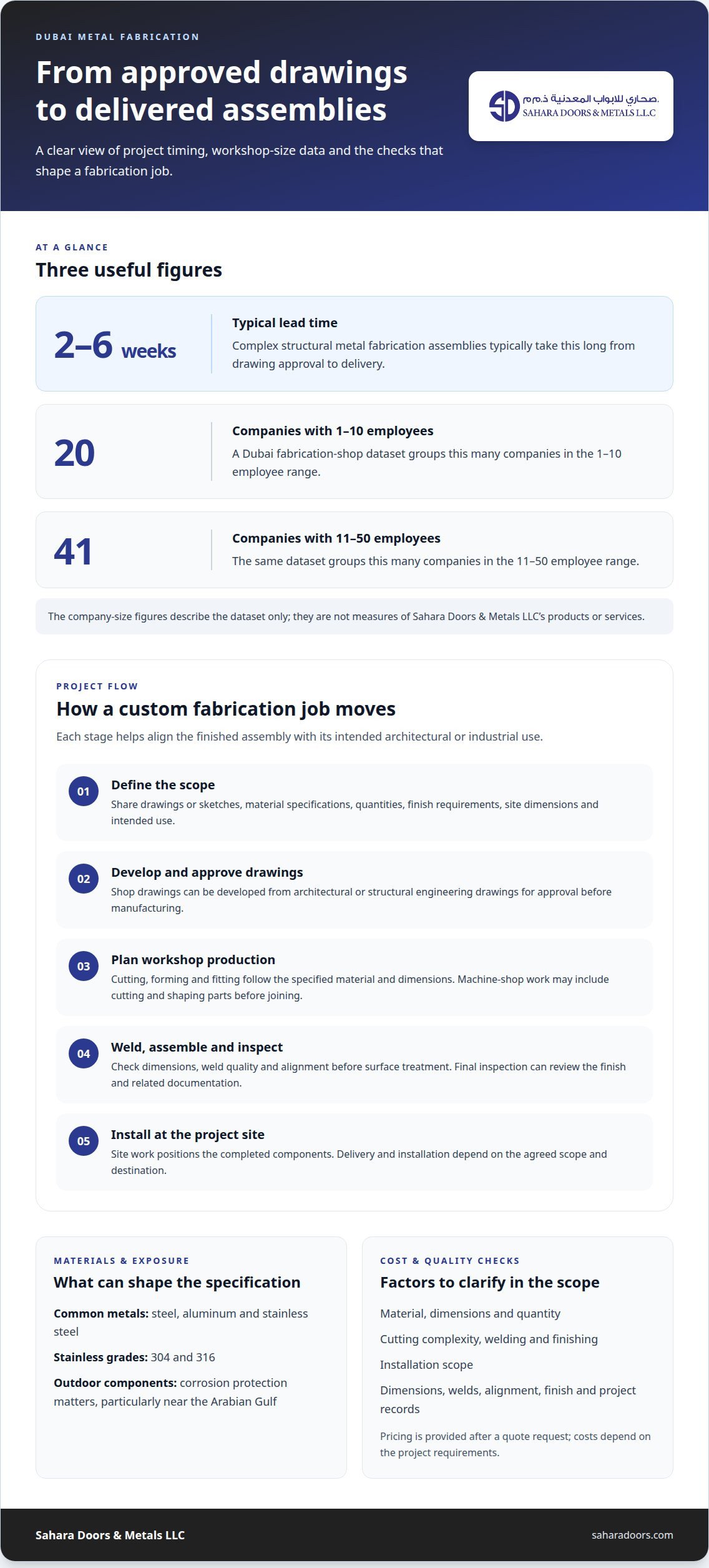
Custom fabrication moves from defining requirements to drawings, production, inspection and site work. Each stage helps ensure the finished metal assembly fits its intended architectural or industrial application.
Fabrication, Installation, and Maintenance
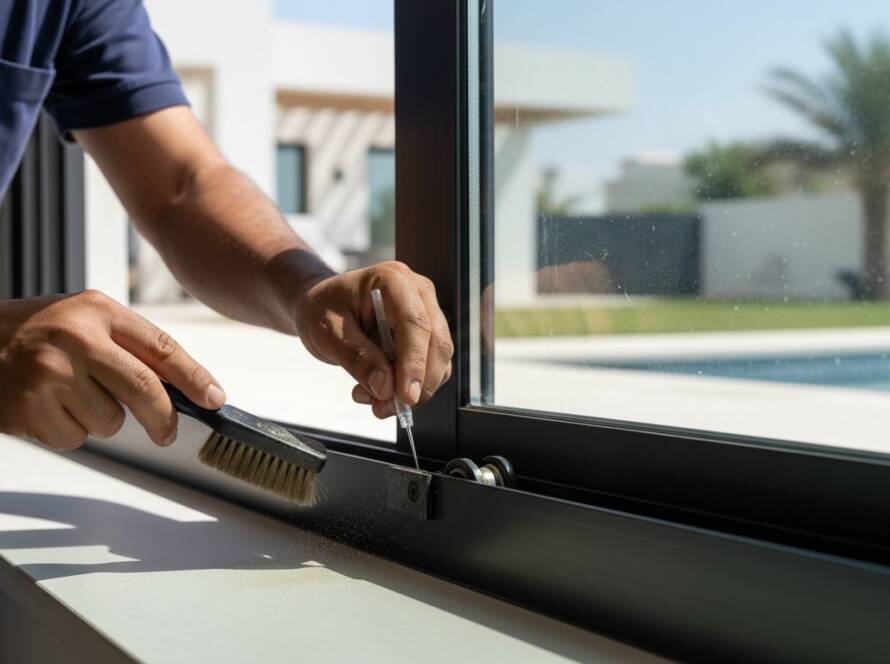
A fabricator can develop shop drawings from architectural or structural engineering drawings for approval before manufacturing. Once approved, the workshop plans cutting, forming and fitting according to the specified material and dimensions. Installation positions the completed components at the project site. Repairs address damage or fit issues, while maintenance needs depend on the component’s use and exposure.
To define the scope clearly, provide drawings or sketches, material specifications, quantities and finish requirements. Site dimensions and intended use also help establish installation needs.
Welding, Assembly, and Certification
Welding joins prepared metal parts, while assembly brings them together into a complete unit. Machine-shop work can include cutting and shaping components before joining. Precision is important when architectural details or connected parts must align with the approved design.
If welding certification is required, identify the relevant requirements in the project specifications and contract documents. Before surface treatment, check the assembly for dimensional accuracy, weld quality and alignment. Final inspection can review the finish and related documentation.
Choosing a Fabrication Company
To assess a fabrication company in Dubai, consider whether its facilities and technical process suit your material, design and project scope. Review relevant completed work, drawing-approval procedures, inspection steps and the clarity of the written scope. Ratings can offer context, but do not establish technical suitability on their own.
Required documents and permits depend on the project and site. Drawings, specifications and material details define the fabrication scope, while site approvals depend on the applicable project arrangements. Workshop safety requirements also vary with the work being performed. Assess Dubai Municipality and UAE requirements for the specific workshop and project rather than assuming they are identical in every case.
Materials, Projects, and Pricing
Dubai workshops handle construction, industrial and architectural projects using metals such as steel, aluminum and stainless steel. Stainless steel grades 304 and 316 are used in local construction and industrial fabrication. For outdoor components, corrosion protection matters, particularly near the Arabian Gulf.
Metal fabrication costs depend on material, dimensions, quantity, cutting complexity, welding, finishing and installation scope. Pricing is provided after a quote request. Quality checks should cover dimensions, welds, alignment, finish and project records. Delivery and installation depend on the agreed scope and destination, including work across the UAE.
Where an opening requires an automated access system rather than a structural assembly, project planning may also involve automatic doors in Dubai.
Dubai doors, shutters and product applications
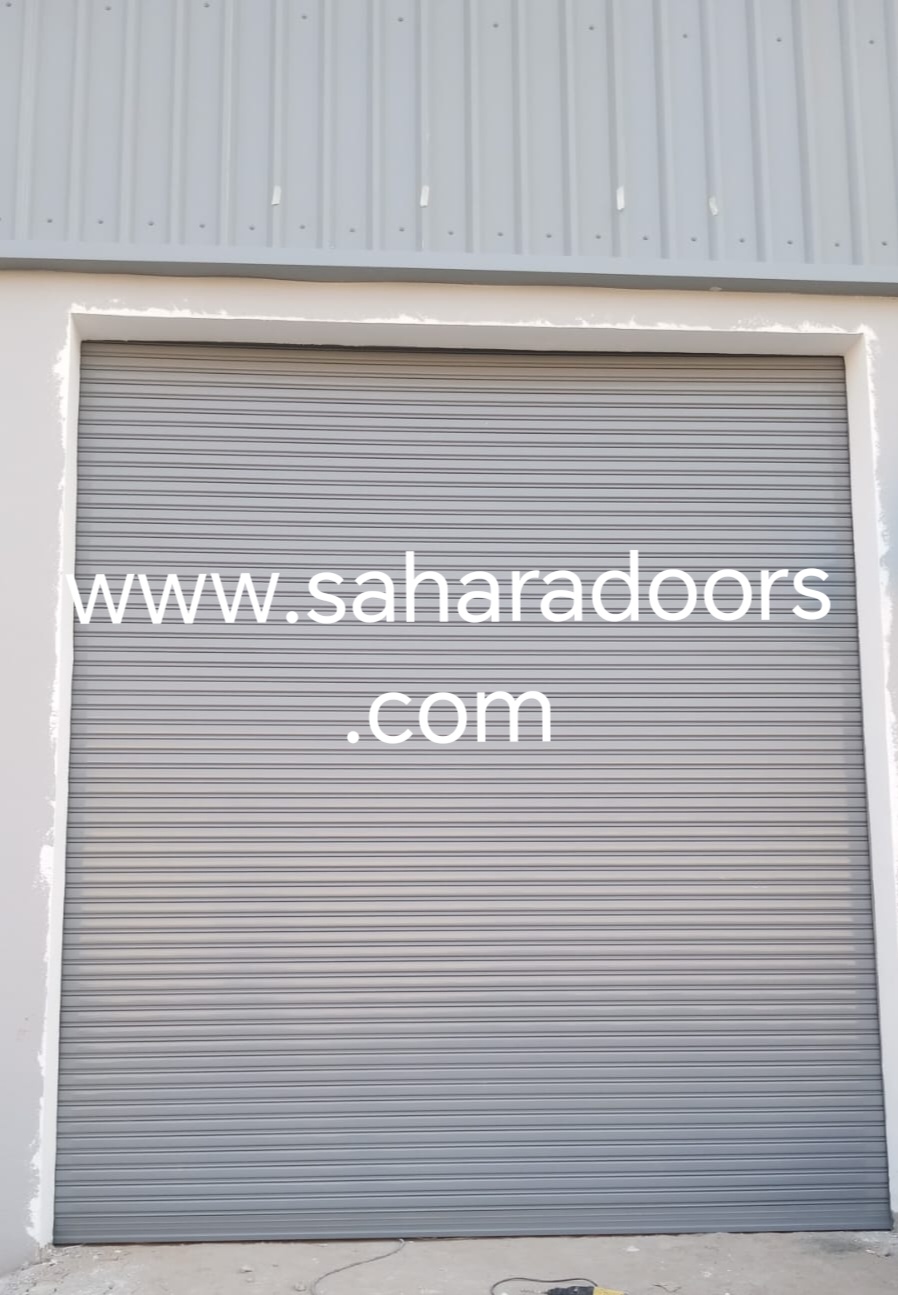
Sahara Doors & Metals LLC supplies doors, rolling shutters and related products for homes and businesses in Dubai and across the UAE. Its range includes aluminium rolling shutters, GI rolling shutters, polycarbonate roller shutters, insulated rolling shutters and window shutters. Choose products to suit your property’s needs, considering security, appearance and the intended use of each space.
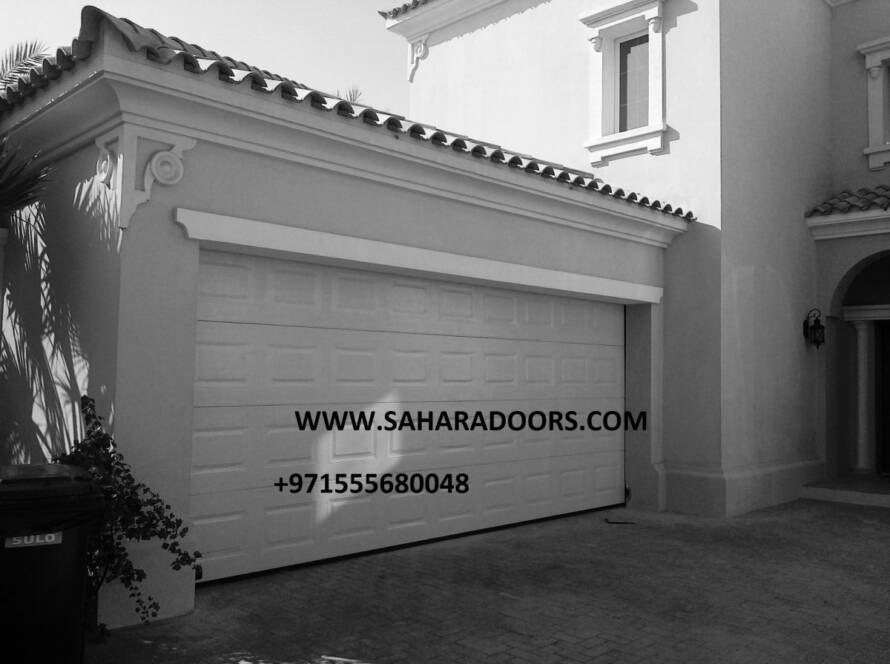
Different spaces call for different solutions. Garage doors provide access to residential and commercial garages, while aluminium doors suit residential, commercial and industrial settings. Polycarbonate folding doors and shutters offer further options for properties seeking practical, stylish products. Consider the opening, the space available and the look you want when selecting a product.
A Dubai fabrication-shop dataset includes 20 companies with 1-10 employees and 41 companies with 11-50 employees, as of Nov 6, 2026. These figures describe company size groups in the dataset, not the products or services offered by Sahara Doors & Metals LLC. For details about the company’s product range, contact the supplier directly.
For businesses that need temperature control, PVC curtains can be used in industrial spaces, cold storage areas and retail establishments. They help maintain hygiene, reduce energy costs and control noise. Air curtains are another option for offices, restaurants and stores, helping limit air exchange between indoor and outdoor spaces.
Other products serve outdoor and vehicle-parking areas. Sahara Doors & Metals LLC supplies carpark shades, pergolas, pergola shades and retractable pergola shades. Freezer curtains are also available for temperature-controlled spaces. Consider how each product will be used to identify a suitable option for your property or business.
Review the company’s product range against your requirements before making a selection. Consider the intended application, desired appearance and the features you need, such as security, temperature control or shade. Sahara Doors & Metals LLC offers products for a range of residential and commercial needs across Dubai and the UAE. Visit www.saharadoors.com to explore the range.
Dubai fabrication lead times
Complex structural metal fabrication assemblies in Dubai typically take 2 to 6 weeks from drawing approval to delivery. That period starts after the approved drawings establish dimensions and scope. A schedule for smaller components or repeated parts follows a different production sequence than one for large steel structures requiring coordinated assembly and site installation.
Drawing approval is an early schedule milestone because fabrication depends on finalized dimensions and details. Changes after approval may require revised engineering, updated material quantities or different cutting plans. A change to a connection detail, for example, can affect both a component and its assembly sequence. Clear approval records help the workshop plan production around the agreed design.
Material procurement and preparation also affect when fabrication can begin. The specified metal, quantities and documentation requirements shape purchasing and receiving. If contractually required for a construction project, traceability records start during procurement. Once the material is ready, cutting, forming and welding proceed in sequence. A change at one stage can affect the work planned after it.
Include inspection and finishing in the production plan rather than treating them as last-minute tasks. Check assemblies for dimensions, weld quality and alignment before surface treatment. Final checks can cover finish verification and documentation. These steps help identify fit or finish issues before components reach the site, where corrections could disrupt installation planning.
Installation adds a separate coordination stage. Site access, adjoining structures’ readiness and the delivery sequence can all affect when components are fitted. Projects outside Dubai also require transport planning across the emirates. The schedule should distinguish workshop completion from arrival and installation, making each milestone clear.
To plan the schedule, provide the fabricator with drawings or sketches, material specifications, quantities, finish requirements and the required delivery timeline. Identify dependencies such as drawing approvals, procurement records and site access. For structural steel assemblies, connect each milestone to the next: approval, material preparation, fabrication, inspection, delivery and installation. This gives project teams a practical basis for coordinating engineering and site work without treating production time as the entire project duration.
Which metal fabrication companies in Dubai are highly rated?
A high rating alone does not show whether a fabrication company suits your project. Ratings may reflect communication or delivery experience, while technical fit depends on materials, drawings, production scope and inspection. For a structural steel assembly, review evidence of comparable work rather than relying only on general praise. Consider ratings alongside the company’s documented process and your project’s specific requirements.
Assess the work stage by stage. A suitable fabricator should explain how it reviews architectural or structural drawings, prepares shop drawings and obtains approval before manufacturing. It should also describe how cutting, welding, assembly and finishing fit the scope. Clear answers help you understand what the quoted work includes and where fabrication ends, especially if delivery or installation is involved.
Reviews are more useful when they describe a specific outcome. Look for comments about dimensional fit, communication during drawing approval, finish quality or responses to project changes. “Good service” gives less detail than an account of a steel component matching approved drawings. Ratings can inform your assessment, but do not replace technical review or a clear written scope.
Quality documentation provides another comparison point. ISO 9001 is a relevant quality-management certification to consider for a Dubai metal fabrication company. It relates to a quality management system, but it doesn’t by itself establish that every finished assembly meets a project’s requirements. Ask how the workshop records inspections, checks dimensions and weld quality, and reviews surface finish and documentation before delivery.
Use the same criteria to compare providers. For each company under consideration, assess:
- Project fit: Experience with the material, scale and assembly type your drawings require.
- Process clarity: Defined steps for drawing approval, fabrication, inspection and delivery.
- Quality evidence: Relevant quality-management certification and project-specific inspection records.
- Communication: Clear scope descriptions, progress updates and change handling.
- Review detail: Specific feedback about completed work, rather than an unexplained star score.
This approach helps distinguish a strong public rating from a good match for your project. A company may be well regarded for one type of work but not be the right fit for another. Compare its proposed process with your drawings, material specifications, quantities and finish requirements. Then consider whether its inspection and delivery steps address your project’s priorities.
Evaluate the proposals against the project requirements, then confirm the drawing-approval point before comparing offers. For custom FABRICATION WORKS DUBAI, clients should approve fabrication drawings before manufacturing begins with trusted providers like Sahara Doors & Metals LLC. Ask each company to explain how its proposed work relates to the approved drawings, so you can compare offers on the same project basis.
Clarify how the cutting method will be selected. Dubai fabrication workshops commonly use laser, plasma, waterjet, sawing, shearing and CNC profiling, choosing a method according to the material, thickness and required precision. A useful explanation connects the method to those requirements instead of presenting one process as suitable for every job.
Consider the component’s setting as well as how it is fabricated. Corrosion protection must be maintained and is especially important for metal components exposed outdoors or installed in coastal areas near the Arabian Gulf. Confirm what corrosion protection the proposed scope includes.
What types of materials and projects do Dubai fabrication workshops handle?
Dubai fabrication workshops handle metal projects for construction, industrial use and architectural applications. Common material choices include steel, aluminum and stainless steel, selected according to the component’s function, design and exposure. Material affects how a component is formed, joined and finished. A project scope can range from one custom component to connected assemblies requiring coordinated fabrication.
Steel suits projects requiring structural components, frames or supports. A steel assembly may comprise several cut parts joined into a larger structure, so drawings need to show how they connect. Architectural work may require close attention to visible edges and surface finish, while industrial projects may prioritize fit between connected components. The intended use helps determine the material and production plan.
Aluminum is also used in fabrication projects, including architectural components and frames. Its selection should reflect the design and intended application rather than an assumption that one metal suits every job. A visible architectural feature, for example, may have different finish requirements from a component enclosed within an industrial assembly. Clear drawings define the shape, dimensions and interfaces.
Stainless steel grades 304 and 316 are among the materials commonly used in Dubai construction and industrial fabrication projects. The grade should be specified in the project documents rather than left as a broad request for stainless steel. This gives the fabricator a defined material requirement for procurement and production. For components exposed outdoors or near the Arabian Gulf, corrosion protection also deserves consideration during material and finish planning.
Project types differ by purpose and setting. Construction work may involve structural components or architectural details, while promotional and commercial setups often require specialized event fabrication and signage from lastmomentprint.services. Industrial fabrication can include assemblies made from multiple connected parts. A custom project may also combine shapes or components that must align during installation. Drawings and material specifications help establish whether the scope centers on a standalone item, repeated parts or a larger assembly.
To define the material and project scope, provide drawings or sketches, specifications, quantities and finish requirements. Identify the component’s intended use and installation location. For an assembly, clarify how separate parts connect and which dimensions determine fit. These details help the fabrication team plan materials, production steps and inspection points. They also make discussions more precise from initial scope through fabrication and delivery.
must be maintained, and how the completed work should fit the installation. In Dubai’s regulated construction sector, material traceability documentation is often a contractual requirement that begins during procurement. Address this early when defining the project scope, not after fabrication has started. Confirm the documentation requirement alongside the material specification and account for it in the procurement plan. This aligns the material request with the project’s documentation expectations from the outset.
Where traceability applies, state the requirement clearly in the information provided to the workshop. This gives both sides a shared basis for discussing the documentation needed during procurement and how it relates to the specified components. Clear expectations can reduce uncertainty as the fabrication scope moves from drawings and material selection into production.
Sahara Doors & Metals
Sahara Doors & Metals LLC is a relevant next step when your project needs a metal entrance or opening rather than a structural steel assembly. Its range includes GI, motorized, polycarbonate and perforated rolling shutters, serving different property needs. The right option for a secure access point depends on the opening, intended use and preferred appearance. Share your project requirements and dimensions to start a discussion about a suitable shutter type.
A retail frontage, for example, may need a different balance of visibility and closure from a warehouse entrance. A motorized shutter may suit an opening that needs powered operation, while other types meet different functional or design preferences. The aim is a durable, practical fit for the space, not a replacement for structural fabrication services.
Contact Sahara Doors & Metals LLC to discuss the right shutter for your project.
Move Forward With a Clear Project Brief
For fabrication works in Dubai, start by defining what your site needs. Separate structural metalwork from access requirements, then specify the opening dimensions, intended use, finish preferences and site conditions. This distinction keeps the brief focused and makes scope discussions more productive.
If you need a rolling shutter rather than a structural assembly, Sahara Doors & Metals LLC offers GI, motorized and polycarbonate rolling shutters. The suitable option depends on the opening and how the space is used. Sharing these practical details gives the discussion a clear starting point and distinguishes a shutter requirement from general metal fabrication.
A well-defined brief helps move from an initial need to a suitable product decision. Keep the priorities practical: fit, function and the finished entrance’s appearance. Take the next step when you’re ready.
Clear requirements help you move forward with confidence.
Frequently Asked Questions
What rolling shutter options does Sahara Doors & Metals LLC offer?
Sahara Doors & Metals LLC offers rolling shutters for industrial and residential openings, including GI, polycarbonate, insulated and aluminium options. Shutters are available with manual or automated operation. A warehouse entrance and a shopfront, for example, may need different shutter types based on the opening and intended use. These needs help determine a suitable option.
What products can help control temperature in businesses and homes?
Sahara Doors & Metals LLC offers PVC curtains and air curtains to help control air exchange and maintain comfortable indoor spaces. PVC curtains can suit industrial spaces, cold storage areas and retail establishments. Air curtains are suitable for offices, restaurants and stores. The right product depends on the space and its requirements.
What types of doors does Sahara Doors & Metals LLC provide?
The company offers garage doors and aluminium doors for residential, commercial and industrial spaces. Garage doors come in modern and traditional designs, while aluminium doors combine sleek designs with robust performance. Product selection depends on the property and its needs.
Where are Sahara Doors & Metals LLC’s products available?
Sahara Doors & Metals LLC specializes in its listed products across Dubai, Abu Dhabi, RAK, Sharjah, UAQ and Fujairah in the UAE. Its range includes doors, rolling shutters, garage doors, PVC curtains, air curtains, pergolas and carpark shades. Contact the company for information about products suited to your requirements.
1 Comment