At Sahara Doors & Metals LLC, we know a strong-looking door alone is not enough for a busy commercial or industrial site. When choosing metal doors in the UAE, we help you match security, daily use and environmental conditions to each opening.
We understand that security and durability matter, but they are only part of the decision. The right door also depends on its intended use, project requirements, professional installation, maintenance and written warranty terms.
In this guide, we explain how to assess metal doors for commercial and industrial sites across the UAE, from security options and material durability to approvals and installation. We also cover maintenance and warranties, helping you understand what affects long-term performance and what to discuss with a supplier. Whether you’re planning an industrial entrance or a commercial facility, we offer practical guidance for choosing a suitable solution.
Key Takeaways
- We recommend matching the door material and construction to the site’s use, exposure and security needs.
- We consider how entry traffic and access-control requirements shape the door and its hardware.
- We assess durability by looking at the full door system, including its frame, seals and moving parts.
- For fire-rated applications, we factor in relevant approvals and project requirements before selecting a door.
- We plan for professional installation, routine inspections and clear warranty terms to support reliable operation.
Installation, maintenance, and warranties
For a reliable steel door, we recommend installation suited to the building and opening. Frame type, site conditions and warranty terms all matter across UAE projects.
Installation and Maintenance
Installation typically covers measuring the opening, selecting a suitable frame, fitting the door and checking its operation. Knock-down frames can suit retrofit installations, while welded frames may be used in new builds. We recommend aligning the frame and door so hinges, locks and seals work as intended. For a retrofit, the existing opening also affects the fit and preparation required.
We recommend routine inspections of hinges, locks and seals. Addressing wear early can help maintain smooth operation and identify parts needing adjustment or replacement. Hollow metal doors can last over 30 years with minimal maintenance, depending on their condition and care.
Metal door prices across the UAE depend on dimensions, material, construction, hardware, finish and installation requirements. Site access and whether the project needs a retrofit or new-build frame also affect the work involved.
Across the UAE, commercial and residential projects use different types of metal doors and shutter systems. We recommend asking your supplier to explain how the proposed product and installation fit the opening and what support is included after handover.
For a custom-made metal door, we recommend approaching a manufacturer or fabricator that can tailor it to the opening and intended use. A garage entrance may need a different solution; our garage door options address that type of opening.
Fabrication and Installation Timeframes
We plan fabrication and installation according to the design, material, dimensions, frame type and site readiness. Custom details and coordination with other work also affect the plan. A site survey helps us establish the opening requirements and the work needed for fitting.
Before work begins, we recommend clarifying which installation tasks and maintenance guidance are included, and how the warranty applies to the door, hardware and installation. Coverage and exclusions vary, so written terms matter more than a broad verbal assurance. For fire-rated openings, we recommend coordinating the door specification and installation documents with the project’s approval requirements. This helps keep the selected product, fitting and project records aligned.
When selecting us or another steel door manufacturer, consider installation, maintenance, and warranties as part of after-sales support. We encourage buyers to compare what each provider is prepared to explain, rather than judging an offer by the door specification alone. Ask us who is responsible for fitting, what maintenance information we will provide, and where to find the written warranty terms. If different parties handle manufacture and installation, clarify how their responsibilities relate before confirming the order.
Keep the answers with the project documents so you can refer to them when arranging work or reviewing the door later. Check that our quoted support matches the intended opening and the work agreed for the site, and ask us for clarification wherever the scope or coverage is unclear. A clear understanding of installation, maintenance, and warranty arrangements can help you assess the support available after purchase and make a more informed choice between manufacturers. These considerations are relevant whether your project involves a custom door or a replacement, and they help set practical expectations without assuming that every provider offers the same terms.
Commercial and industrial applications
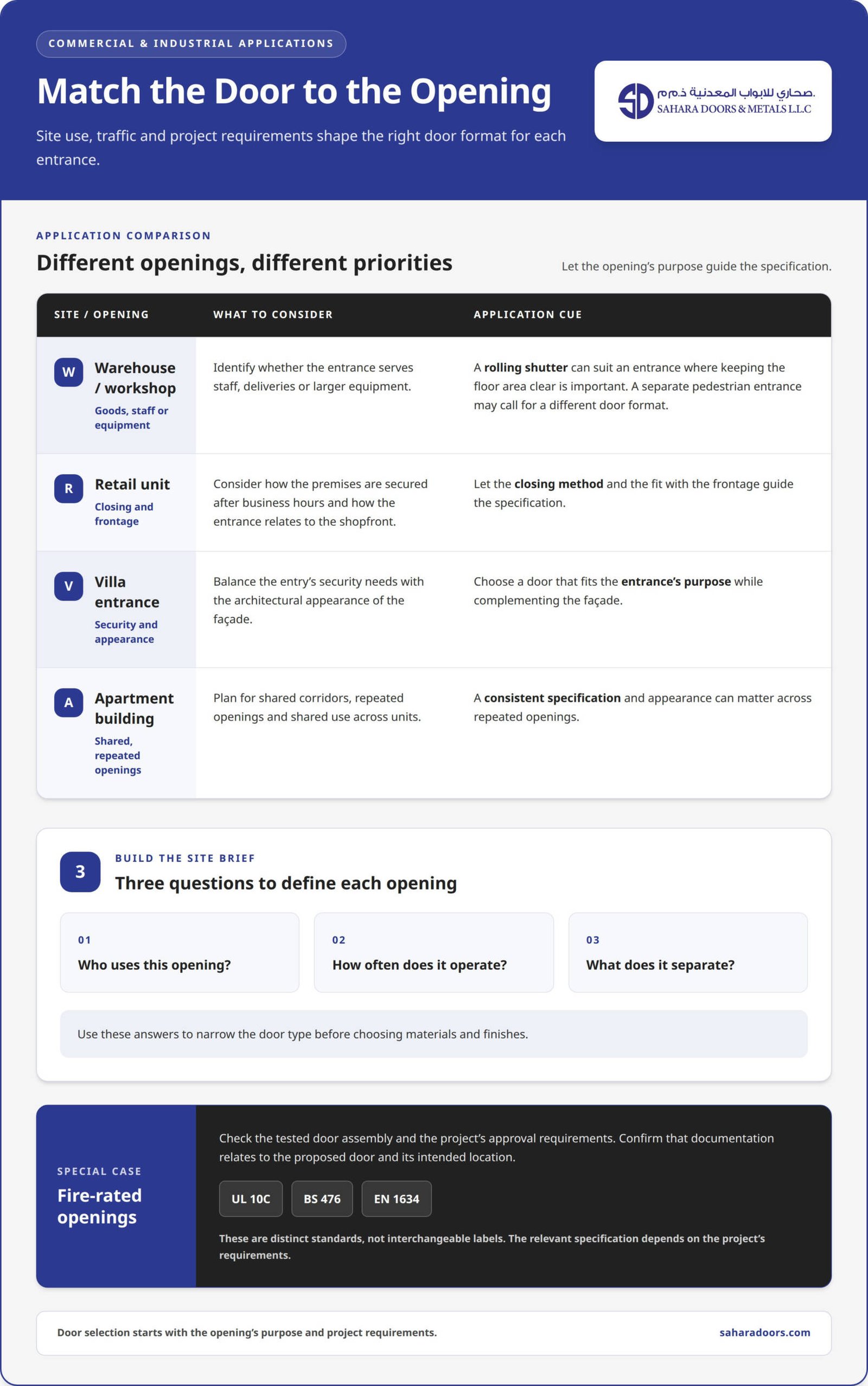
We know commercial and industrial openings serve different purposes, so the door should match the site’s use. A warehouse entrance, an apartment corridor and a villa’s main entry face different traffic, access and design requirements. We recommend identifying who uses each opening, how often it operates and what it separates. This practical brief helps us narrow the door type before choosing materials and finishes.
For a warehouse or workshop, we assess whether the opening serves staff, deliveries or larger equipment. A rolling shutter can suit an entrance where keeping the floor area clear is important, while a separate pedestrian entrance may call for a different door format. In a retail unit, priorities may include securing the premises after business hours and matching the shopfront. We let the opening’s use guide the specification.
Villas and apartments also have distinct requirements. A villa entrance may need to complement the façade while providing a secure entry. Apartment projects often involve shared corridors, repeated openings and a consistent appearance across units. We select the right metal door based on the opening’s purpose, expected traffic, appearance and project requirements. No single type suits every residential and commercial setting.
Fire-rated openings require particular attention to the tested door assembly and project approvals. Commercial hollow metal doors may be tested against UL 10C, BS 476 or EN 1634 fire-safety standards. These are distinct standards, not interchangeable labels. The relevant specification depends on the project’s requirements. We recommend confirming that the documentation relates to the proposed door and its intended location, rather than assuming a material name alone establishes fire performance.
- Warehouse: We recommend separating goods movement from staff access when planning entrances.
- Retail unit: Consider the closing method and how the door fits the frontage.
- Villa: Balance security needs with the entrance’s architectural appearance.
- Apartment building: Plan for repeated openings, shared use and consistent specifications.
For a metal-door project, we recommend a site survey to record each opening’s purpose, dimensions, surrounding conditions and access needs. A loading entrance may require a different format from a nearby staff door. Clear opening schedules help us avoid mismatched specifications across commercial fit-outs and industrial facilities. If a project includes several door types, we recommend documenting each opening separately and noting its intended use.
During specification, we align the door type, frame and operating method with the opening and traffic pattern. For example, a frequently used staff entrance needs a practical access arrangement, while a service opening may need to accommodate deliveries. We recommend recording any required test standard or approval in the project documents. This gives the design, installation and inspection teams a clear reference for each commercial or industrial opening.
Security and access-control options
Security depends on more than a door leaf. For a commercial entrance in the UAE, we recommend considering the frame, locking arrangement, access method and how staff use the opening. We aim to provide an engineered solution that fits the site’s entry routine. A staff-only door, for example, needs a different access plan from a public reception entrance.
Fire-rated hollow metal doors may have ratings of 30, 60, 90, or 120 minutes. Some use intumescent seals that expand under heat to help block smoke and flames. These features apply to specified door assemblies, so we recommend matching the rating and components to the opening’s project requirements.
Access can range from a conventional key-operated lock to an electronic reader linked to a building entry system. The right approach depends on who needs access and how permissions are managed. A storeroom used by a small team may suit controlled key access, while a facility with changing staff may benefit from managed credentials.
We recommend planning the access method before ordering. Identify authorised users, entry points and any doors that must remain restricted. Then coordinate the chosen lock or reader with the door, frame and building system. This helps avoid a mismatch, such as specifying an electronic access device that cannot be fitted to the selected door preparation.
- Staff entrance: Match the lock to routine employee access and key management.
- Restricted room: Define authorised users and select a suitable controlled-entry method.
- Fire-rated opening: Keep the specified rating and compatible components together.
For exterior openings, weather protection depends on the complete fit. The door, frame, threshold and seals should work together to limit unwanted air and water entry. A sheltered doorway and an exposed exterior entrance face different conditions. We recommend describing the opening’s location and exposure so the design addresses its actual environment.
Security and weather performance are affected by installation as well as product selection. A door that does not sit correctly in its frame can undermine its intended operation. We recommend including the access hardware, frame details and environmental exposure in the project specification. Across the UAE, this gives design and installation teams a clearer basis for coordinating the opening.
Before approving a specification, connect each door to its use: who enters, what protection the opening needs and whether project-specific fire or weather requirements apply. For example, a restricted service entrance may need controlled access, while an exterior opening with fire requirements must meet the project specification and account for its exposure. We recommend this review to help align security features with everyday operation.
Durability and impact resistance
We consider a durable door a complete assembly, not just a metal leaf. The frame, hinges, locks, seals and installation all influence how it performs during daily use. For a UAE warehouse, for example, a staff entrance beside a delivery area may face different contact risks from an office doorway. We recommend describing the opening’s use before choosing its construction.
We recommend considering likely sources of impact when specifying a door. One beside moving stock may face occasional knocks from equipment, while a public entrance may experience frequent use and accidental contact. These examples help define the application, but they do not establish a specific resistance rating. We encourage reviewing product documentation for the proposed assembly and intended use.
Some hollow metal doors use honeycomb, polystyrene or mineral cores. The core is only one part of the construction, so its name alone does not establish the door’s overall strength. We recommend considering how the leaf, frame and hardware work together. The project specification should identify the opening, its expected use and any required performance documents.
- Warehouse: We note nearby vehicle routes and handling activity.
- Retail entrance: We account for repeated opening and closing by staff and visitors.
- Service corridor: We identify whether carts or stored materials pass close to the door.
- Office entrance: We balance routine use with the building’s architectural appearance.
UAE project conditions also shape the durability brief we help develop. An exterior doorway and a protected internal opening have different exposure. We record whether the door faces outdoors, sits under cover or connects two internal spaces. This information helps us select suitable construction and details, rather than applying one specification to every opening in a building.
Finish affects appearance and upkeep, but it should suit the opening’s use. We may recommend that a visible entrance complement the architectural design, while a back-of-house door prioritises practical operation. We specify the finish alongside the door and frame details so the visual requirements relate to the assembly being supplied.
Before approving a proposal, we recommend comparing each door against the same project brief. Check the stated material, core, frame arrangement, hardware and intended location. If we describe a door as impact-resistant, review the documentation to understand what the claim covers. Clear specifications make it easier to judge whether the construction suits a loading route, public entrance or internal partition.
Durability also depends on keeping the installed door aligned with the approved specification. Changes to the opening, frame or hardware can affect the completed assembly. If a component is substituted during a fit-out, we recommend recording the change and assessing it against the project requirements. A consistent record helps facilities teams understand what was installed and plan suitable maintenance.
What types of metal doors are available in Dubai, such as steel, aluminum, and wrought iron?
For UAE projects, we offer steel, aluminium and wrought-iron doors, depending on the opening’s purpose. These materials do not perform identically, and the right choice depends on design, site use, exposure and required documentation. We start by deciding whether the opening serves as a main entrance, service access or internal partition. That distinction helps us guide you on material and door format.
We commonly consider steel doors for commercial and industrial openings where solid metal construction suits the project. We specify the door leaf, frame, hardware and finish as one assembly. A staff entrance beside a warehouse may need a different layout from a prominent reception entry. Steel is an option we can provide when your project calls for a metal door designed for a particular opening, complemented by our expertise in metal doors dubai installations.
We also offer aluminium doors for residential, commercial and industrial designs. Their suitability depends on the opening, intended operation and required appearance. A contemporary office entrance, for example, may need a different visual treatment from a back-of-house doorway. We recommend comparing the complete door and frame rather than choosing by material name alone.
We offer wrought-iron doors for their distinctive decorative appearance. Their design can make them suitable for a villa entrance or another visible architectural feature. Before selecting one, we consider how the pattern, frame and finish fit the building’s style and daily use. A decorative design should still suit the opening’s practical purpose and the project’s security needs.
We match the door type to its location. An external villa entrance may prioritise appearance and protection, while an industrial staff door may focus on regular use and a practical finish. A large vehicle opening may need a format designed for that access pattern rather than a conventional pedestrian door. We consider dimensions, surrounding structure and traffic when helping you choose.
- Steel: We offer it for commercial or industrial openings with a solid metal-door brief.
- Aluminium: We assess it where your project needs a metal door aligned with its design and use.
- Wrought iron: We offer it for entrances where decorative character is a priority.
For a useful comparison, we recommend preparing an opening schedule showing each door’s location, purpose, dimensions and preferred appearance. Then we assess the proposed leaf, frame and hardware against it. This prevents us from treating a villa entrance, office doorway and warehouse access as identical requirements. It also gives us a clear basis for recommending a suitable door type and configuration.
For steel doors, we check the project’s applicable local requirements and any specified standards, such as UL, NFPA, BS or ASTM. We also consider whether our experience matches the project type, whether commercial, industrial or residential.
Sahara Doors & Metals LLC
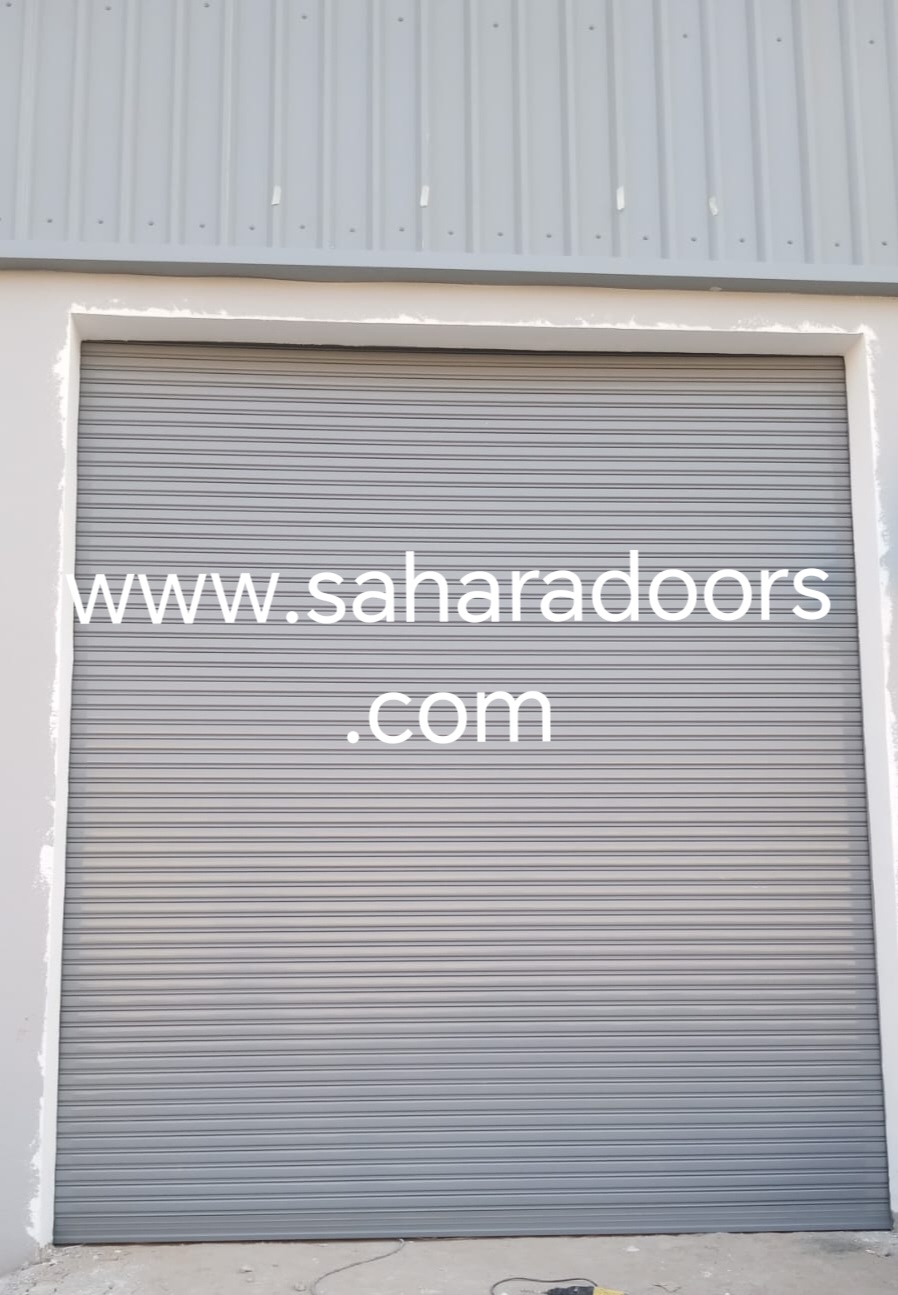
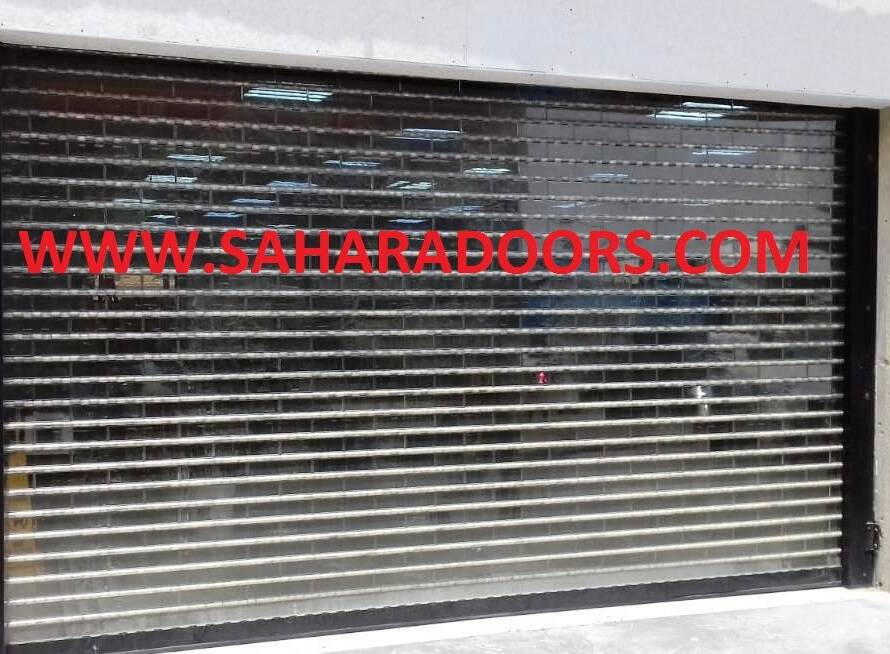
We can help Dubai property owners plan secure openings with suitable shutter solutions when sourcing dependable metal doors dubai. For a commercial or industrial site, your choice may include a GI Rolling Shutter, Motorized Rolling Shutter, Polycarbonate Rolling Shutter or Perforated Rolling Shutter. The right option depends on the opening’s use, access needs and desired visibility.
These products are relevant when your project requires a rolling shutter alongside its metal-door planning. Share the opening’s purpose and site requirements with Sahara Doors & Metals LLC to guide a practical discussion of suitable options. This helps align the shutter choice with the building’s daily operation without treating every entrance the same.
Contact Sahara Doors & Metals LLC to discuss your site requirements.
Plan the Next Step for Your Site
We recommend making your next decision around the opening itself. Record its location, purpose, expected traffic and any project documentation that will guide the specification. This gives our design and installation team a practical starting point, whether you’re planning a new facility or improving an existing entrance.
For metal doors in Dubai, we help keep the project brief consistent from selection through installation. Note the agreed door type, frame, hardware and intended use in one place. This shared reference helps decision-makers and our site teams stay aligned as the work progresses, especially when several openings serve different functions.
A well-planned entrance supports the way people use a building every day. We help define what each opening needs, then choose a door and installation approach that fit the brief.
We see clear requirements as a practical starting point for a secure, functional site.
Frequently Asked Questions
What UAE and Dubai safety or building requirements apply to metal doors?
Requirements depend on the building’s use and the project specification, so not every opening has the same criteria. For fire-rated commercial doors, relevant test references include UL 10C, BS 476 and EN 1634. We recommend that the design team identify the required rating and approval documents for each opening, then match the selected door assembly to those project requirements.
What should I compare when choosing a metal door supplier in Dubai?
We recommend comparing our proposed door and frame details, installation scope, maintenance support and written warranty terms. Also consider whether we have handled projects similar to yours, such as a warehouse entrance, retail unit or residential building. For a fire-rated opening, review our relevant product documentation alongside the project specification, rather than relying on a general description of the door.
How can a professional maintain metal doors in Dubai’s heat, humidity, and coastal conditions?
We recommend a maintenance plan that reflects the door’s location and exposure. A professional can inspect hinges, locks and seals, record any changes in operation, and note visible finish damage, especially on exposed or coastal-facing doors. Keeping inspection records helps identify recurring issues and plan repairs. Our manufacturer guidance should inform the cleaning and care methods used for the door’s finish and hardware.
What warranties and after-sales services do Dubai metal door companies offer?
Our after-sales support depends on the product and agreed project scope. Review our written terms for the door, frame, hardware and installation, including exclusions and how to report a fault. Clarify what support we make available after handover, such as maintenance arrangements or adjustments. A clear agreement helps distinguish product coverage from ongoing service and makes responsibilities easier to understand.