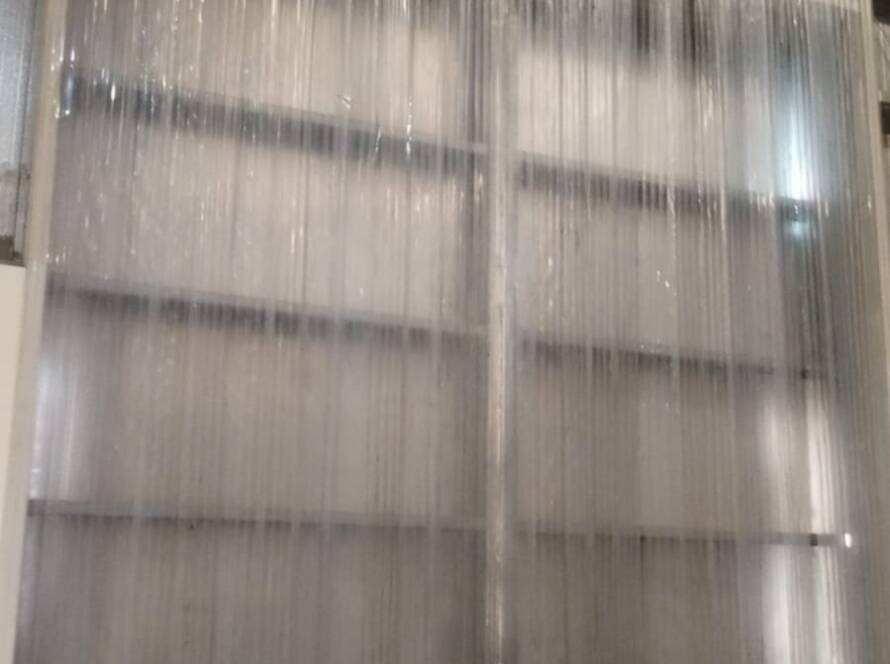
Polycarbonate folding door costs in the UAE depend on the opening’s dimensions, configuration, glazing specification, and installation conditions, so one price won’t fit every project. A project-specific quote reflects these details. For polycarbonate folding doors across the UAE, careful sizing and glazing choices can shape both the budget and how well the finished door suits its setting, with expert manufacturing and installation support provided by Sahara Doors & Metals LLC.
It’s easy to focus on the material alone, but measurements, panel configuration, and local climate conditions matter too. This guide explains how to measure an opening, assess sizing and glazing, and consider resistance to dust, humidity, and corrosion. You’ll also learn which project details affect costs and how to prepare for installation, helping you make an informed decision for a home or commercial space in the UAE.
Key Takeaways
- Understand which project details shape a folding door quote, from the opening size to the chosen configuration.
- Learn how accurate measurements and installation planning help a door fit and operate as intended.
- Compare panel dimensions and glazing choices to find a design that suits the space and its use.
- See why regular dust removal from frames and tracks matters in sandy environments.
- Explore how different shutter options can address distinct needs for visibility, security and operation.
How much do folding doors cost in the UAE?
There is no single price for a folding door across the UAE, Oman, or Doha. The opening dimensions, configuration, material specification, finish, and installation conditions shape the quote. Permit requirements may also depend on the property and project scope, particularly if the work changes an opening or exterior. Include these details in the project plan before work begins.
Door Configurations and Opening Space
Start with the opening and available clearance, then compare how each configuration moves. A bifold door folds panels together at one or both sides; a stacking design gathers panels into a compact group. When planning either configuration, consider panel movement, furniture, walkways, and the usable width when the door is open.
A French-style folding door uses paired leaves, while a sliding-folding arrangement combines sliding movement with folding panels. A conventional sliding door travels along a track without gathering panels in the same way. For a wide opening between a living area and terrace, compare the clear passage and panel stack, not just the closed-door width.
These differences affect design and installation, not just appearance. Include the opening shape, adjoining walls, threshold, and direction of travel in the assessment. A narrow side return, for example, may limit where a bifold stack can rest, while a clear wall beside the opening may suit panels that fold to one side.
Materials, Glass, Styles, and Finishes
Material and finish influence the door’s appearance and specification. State the intended panel material and frame requirements clearly, then describe the preferred finish. Configuration and dimensions also affect installation scope, so compare the complete specification rather than judging one feature in isolation.
For a glazed design, describe the desired appearance and include the glazing specification in the written proposal. Avoid relying on broad labels alone. Record the exact panel and glazing details alongside the frame and finish so the proposed product matches the intended use and design.
Style and finish can change the project specification. Compare proposals using the same opening dimensions, panel arrangement, materials, and finish. For another entrance type, a garage door is designed for a vehicle opening rather than a folding partition.
To make a quote useful, provide the opening measurements and describe the layout, such as a bifold opening onto a patio or a sliding-folding partition between rooms. Include the preferred panel material, glazing requirements if applicable, and finish. This lets the installation assessment consider the opening and site conditions against one clear specification.
Measurement and installation services
For polycarbonate folding doors in the UAE, the project typically follows a sequence: site measurement, specification, supply, delivery, and fitting. Installation lead time depends on the opening, selected configuration, production requirements, and site readiness. The schedule should account for these project details rather than assume one timeframe suits every installation.
Accurate measurement starts with the finished opening, not an assumed standard size. Record the width at the top, middle, and bottom, then compare the readings. Measure the height at both sides and the centre. Differences can indicate an uneven floor, lintel, or jamb that may affect fitting.
Also document the wall condition, threshold, nearby corners, and the direction in which the panels must fold. For example, a door opening onto an indoor dining area needs clear space for folded panels and everyday passage. Note obstructions such as furniture, switches, or ceiling features before finalising the layout.
From site assessment to installation
A practical installation plan connects measurements to the finished opening. First, establish the opening dimensions and identify uneven surfaces. Next, select the configuration and record material and glazing requirements. Then prepare the frame, tracks, and fixing points for the chosen system. This helps prevent fitting a door using measurements taken before renovation work is complete.
Plan supply and delivery around access from the vehicle to the installation area. A narrow corridor, stairwell, or restricted entrance can affect how components reach the room. Clear the route and protect nearby floors and walls before delivery. For a home renovation, schedule delivery after dusty or disruptive work has finished.
Existing homes need particular attention where the new frame meets the current wall or threshold. Check for old trim, uneven finishes, and flooring that may change the final opening height. If tiled flooring is being replaced, account for the finished floor level before installation. This helps align the panels with the completed room.
Planning the work in an occupied home
In an occupied home, move furniture away from the opening and keep the indoor route clear. A living room installation, for example, may need a protected path between the entrance and work area. Keep children and pets away from tools and materials during fitting, and leave the opening accessible to the installation team.
For polycarbonate folding doors in the UAE, installation duration and overall lead time depend on the measured opening, configuration, material choices, and site preparation. Changes to dimensions or finishes can affect the schedule because the supplied door must match the final specification. A clear measurement record and ready installation area help coordinate delivery, fitting, and operational checks.
Product dimensions and glazing specifications
Polycarbonate folding door specifications depend on the measured opening and intended layout. Record panel dimensions, material thickness, colour, glazing choice, frame, and hardware together in the product description. These details define what is being supplied and help align the finished door with the space.
No single panel size, thickness, or colour suits every opening. Specify the actual measurements and chosen finish for the system. For a living room opening, for example, note whether the door should preserve a clear view, provide privacy, or create a visual division between indoor areas.
Measure the structural opening, distinguishing its width and height from the desired clear passage. Record whether the floor is level and whether the opening has a threshold. These details matter because the frame and folded panels occupy space, while the usable passage is what remains open when the door is operated.
Build a clear product specification
List the dimensions, panel arrangement, frame material, glazing type, colour, and finish as separate choices. If the design includes polycarbonate panels, specify the selected panel thickness instead of relying on a general product description. This makes it easier to compare proposals that use different materials or configurations.
Glazing terminology also requires care. Polycarbonate is a panel material, while clear, tinted, laminated, or tempered glass describes different glazing choices. Do not assume these materials have identical properties or construction. State which material is intended for each panel, then record its finish and appearance.
- Opening: note the measured width, height, and floor condition.
- Panels: describe the number and arrangement required for the design.
- Material: identify polycarbonate or the selected glass specification.
- Appearance: record the chosen colour, transparency, and finish.
- Operation: state where panels should fold and which passage must remain clear.
For bifold doors between a living area and an indoor patio, consider how the panel stack affects furniture placement and access. A darker finish may create stronger frame contrast, while a transparent panel maintains a visual connection between spaces. These are design preferences, not substitutes for accurate dimensions or material details.
Before approving the final specification, compare the drawing or written schedule with the measured opening. Confirm that dimensions refer to the same points and that colour, glazing, and panel thickness are described consistently. A good result starts with a precise record connecting the intended appearance to the actual opening and selected door components.
Dust, humidity and corrosion resistance
In the UAE, fine sand, humidity, and coastal air can affect different door components in different ways. Polycarbonate panels don’t rust, but frames, fixings, hinges, and tracks may contain metal that needs sensible care. Aluminum frames also benefit from regular cleaning, especially where dust settles along joints or moving parts.
Start with a gentle clean when dust becomes visible. Use a soft cloth on the frame and panel surfaces, then remove loose debris from the tracks. Avoid sweeping grit along the panels, since trapped particles can scratch surfaces. A sandy entrance near a Dubai road, for example, may need more frequent attention than a protected indoor opening.
Tracks need particular care because dust and small debris can interfere with panel movement. Open the folding door and inspect the full track, including corners where grit gathers. Clear loose particles with a soft brush or cloth, then wipe the track clean. Do not force a panel that feels obstructed; check for debris before operating it again.
Humidity creates a different maintenance concern. Moisture can remain around frame joints, fasteners, and hardware, especially where airflow is limited. After cleaning, dry these areas with a soft cloth. In a coastal property, inspect visible metal components for changes such as staining or surface damage, and keep drainage paths clear where the design includes them.
Use cleaning methods suited to the materials. A soft cloth and gentle cleaning help avoid scratching polycarbonate or damaging finishes. Abrasive pads and harsh chemicals can mark surfaces or affect coatings, so avoid them unless the product’s care instructions specifically allow them. Test an unfamiliar cleaning product on a small area first.
- Panels: wipe with a soft cloth to lift dust without grinding grit into the surface.
- Tracks: remove loose sand and check corners before operating the door.
- Frames and joints: clean residue, then dry areas where moisture collects.
- Metal hardware: inspect visible fixings and hinges for staining or damage.
For doors exposed to coastal air, both location and maintenance habits matter. A door facing a sheltered courtyard encounters different conditions from one beside an open seafront. Note where dust accumulates and whether moisture remains after cleaning, then adjust routine care accordingly. This practical approach helps preserve smooth movement and keep frames and panels presentable without assuming every material needs identical treatment.

Polycarbonate folding doors suppliers in Dubai, Oman, and Doha
Choosing a supplier for a project in Dubai, Oman, or Doha starts with matching the door specification to the site. Compare proposals using the same opening dimensions, panel layout, material, finish, and installation scope. Otherwise, quotes may describe different products, making their totals difficult to compare fairly.
Use a written schedule to keep each proposal precise. Include the measured opening, folding direction, frame and panel materials, glazing requirements, colour, and finish. For a shop entrance in Dubai, for example, the schedule should also state whether the panels must fold away from the customer route. Clear details reduce ambiguity during ordering and fitting.
Then compare what each proposal includes. Separate product supply, delivery, installation, and any stated site preparation. Check that the proposal identifies the door configuration and its components rather than relying on a broad label such as “folding door.” A complete description helps you identify scope differences before selecting a design.
Project coordination matters across locations. A Dubai apartment renovation may require delivery access through a shared lobby, while a commercial opening in Muscat may have a different site access route. For a Doha project, record who manages site access and where components can be stored safely. These practical details help organize delivery and installation without assuming every building has the same conditions.
Compare supplier documents against the opening and intended use, not just the product image. Review the drawing, written dimensions, panel arrangement, material description, and finish together. If the drawing shows panels folding inward but the project requires outward clearance, resolve the mismatch before production. A consistent specification makes the planned product easier to assess.
- Specification: compare proposals against one shared set of opening and product details.
- Scope: distinguish supply, delivery, installation, and site preparation.
- Access: note the route, delivery point, and storage area for each project.
- Documents: align the drawing with the written configuration and finish.
For projects involving multiple sites, keep each location’s requirements in a separate record. Label the property, opening, selected configuration, delivery access, and installation notes. This avoids mixing details between sites and gives the project team a practical reference from quotation through completion.
Use these checks to compare proposals on a like-for-like basis. A clear scope, consistent specification, and realistic access plan support an informed decision, whether the opening serves a home, retail unit, or commercial space.
Sahara Doors & Metals: GI Rolling Shutter
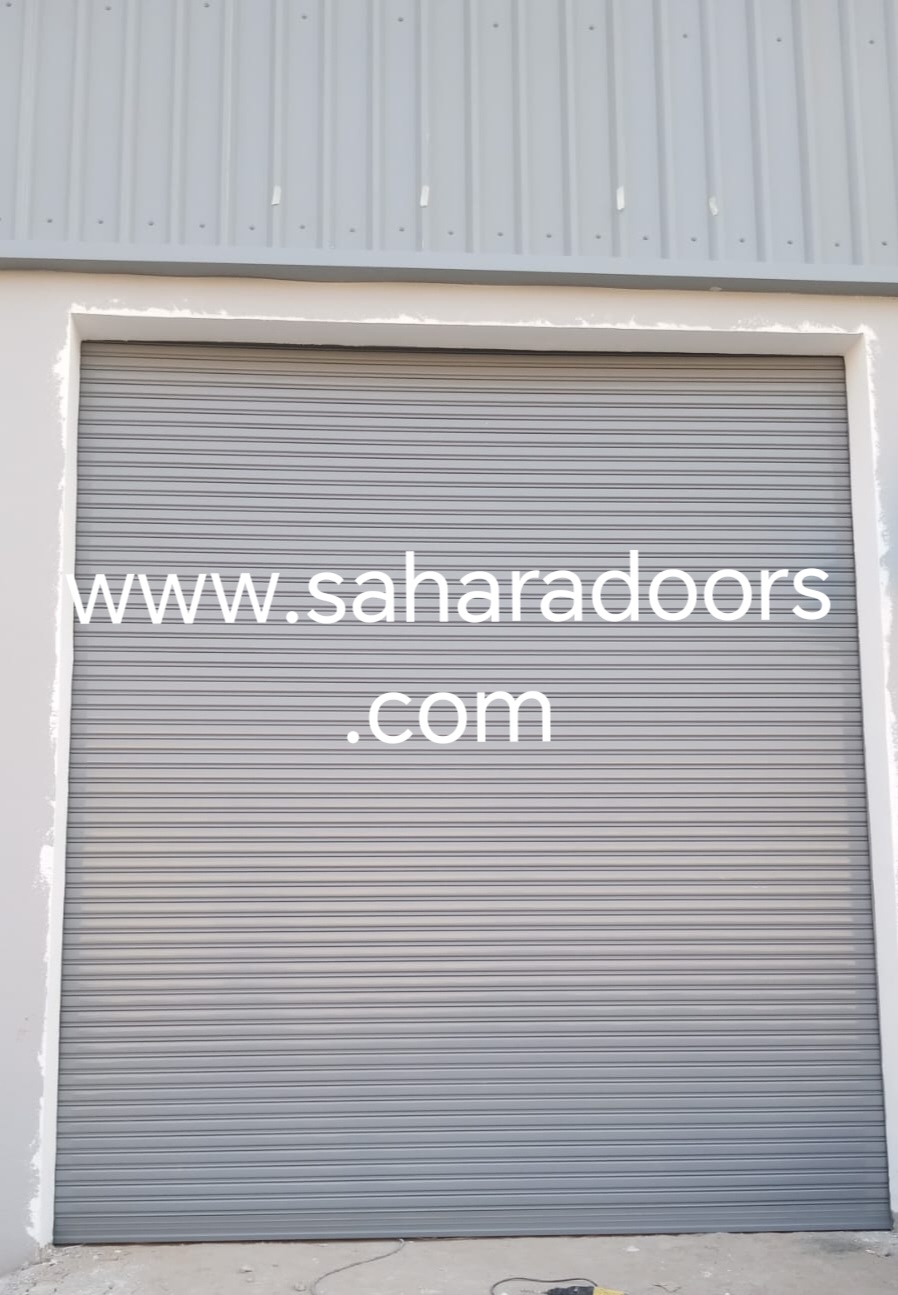
Sahara Doors & Metals LLC manufactures and installs rolling shutters for projects where a shutter is a better fit than a folding door. GI Rolling Shutters suit openings where a shutter is preferred, while Motorized Rolling Shutters provide powered operation. Polycarbonate Rolling Shutters allow light and visibility through a closed shutter, and Perforated Rolling Shutters offer a perforated design.
Share the opening’s purpose and preferred operation to narrow the choice. A shopfront, warehouse entrance, and residential opening may call for different shutter configurations. Matching the product to the opening keeps the decision focused on function, appearance, and everyday use.
For a rolling-shutter requirement in the UAE, contact Sahara Doors & Metals LLC or visit saharadoors.com.
Take the next step with a clear project brief
Turn your preferred design into a practical brief for the space. For polycarbonate folding doors in the UAE, describe how the opening will be used, the appearance you want, and how the panels should move. This gives the project discussion a clear starting point and helps connect the design choice to everyday access.
If your priority is a rolling-shutter format, Sahara Doors & Metals LLC offers GI Rolling Shutters, Motorized Rolling Shutters, and Polycarbonate Rolling Shutters. Identify whether the opening’s function, appearance, or preferred operation matters most to your project.
Bring your intended use and preferred configuration into the next conversation. A well-defined brief helps you move from exploring options to selecting a solution that suits the property and its function.
Make your next door decision with purpose and confidence.
Frequently Asked Questions
How do I maintain bifold doors in sandy weather?
After cleaning, check that each panel moves freely through its full travel. Sand can gather around hinges and rollers as well as along the track, so inspect moving joints without forcing them. If resistance continues after loose grit is cleared, stop operating the door and consult its care instructions before applying lubricant or other products. Note recurring buildup points to plan more targeted routine checks.
How long does installation take?
Installation time varies with the project configuration and site conditions, so a fixed duration will not suit every opening. An occupied home, for example, may need furniture moved and a clear path maintained before work begins. Renovation work can also affect scheduling if flooring or finishes are incomplete. Allow time for fitting and an operational check to confirm that panels fold and close smoothly.
What are polycarbonate folding door prices in Dubai, Oman, and Doha?
Quotes for polycarbonate folding doors for projects in Dubai, Oman, or Doha are based on the project specification. Opening dimensions, panel arrangement, material and glazing choices, finish, delivery, and installation scope all affect the final amount. To compare proposals, use the same written specification for each. No general market figure can represent every custom opening or installation scope.
What is the polycarbonate folding door cost per square meter in the UAE, Oman, and Qatar?
A square-metre calculation starts with the opening’s width multiplied by its height, but area alone does not define the complete quote. Panel layout, frame and hardware requirements, finish, and installation scope also shape the specification. Ask for the quote to identify what the area calculation covers and which project elements are separate. This makes comparisons clearer than relying on a rate without matching product details.
How do polycarbonate folding doors compare with glass or aluminum folding doors in cost and performance?
Compare complete door systems, not material labels alone. Polycarbonate and glass describe panel materials, while aluminium commonly describes a frame material, so proposals may combine them differently. For a fair comparison, match the opening, panel layout, frame, glazing, finish, and operation. Then assess each option against the intended use, desired appearance, and documented product specifications rather than assuming one material always costs less or performs better.
How resistant are polycarbonate folding doors to Gulf heat, UV exposure, and wind?
Weather performance depends on the specified panel, frame, hardware, and installation, not simply the word “polycarbonate.” For a sun-exposed opening, use product documentation that states relevant temperature, UV, and wind performance. Do not treat transparency or material type as proof of a particular rating. The site’s exposure and the door’s intended use should guide the specification, especially for exterior openings exposed to direct sun or gusts.
What maintenance, lifespan, and warranty should I expect?
Follow the product’s written care instructions. Lifespan depends on use, exposure, installation, and upkeep. Keep a record of cleaning and any changes in panel movement or hardware condition. Treat warranty coverage as a separate written term, with its scope and conditions stated in the purchase documents. This gives homeowners a clear reference if questions arise about maintenance responsibilities or product coverage.
How do I measure and order custom polycarbonate folding doors in the Gulf?
Prepare an order brief with the property location, intended use, finished opening dimensions, preferred panel arrangement, colour, and material specification. Include a drawing or photographs showing nearby walls, thresholds, and possible obstructions. Before placing the order, compare the final product schedule with the completed opening, especially if flooring or wall finishes changed during renovation. Keep the approved specification with the project records to coordinate delivery and installation.