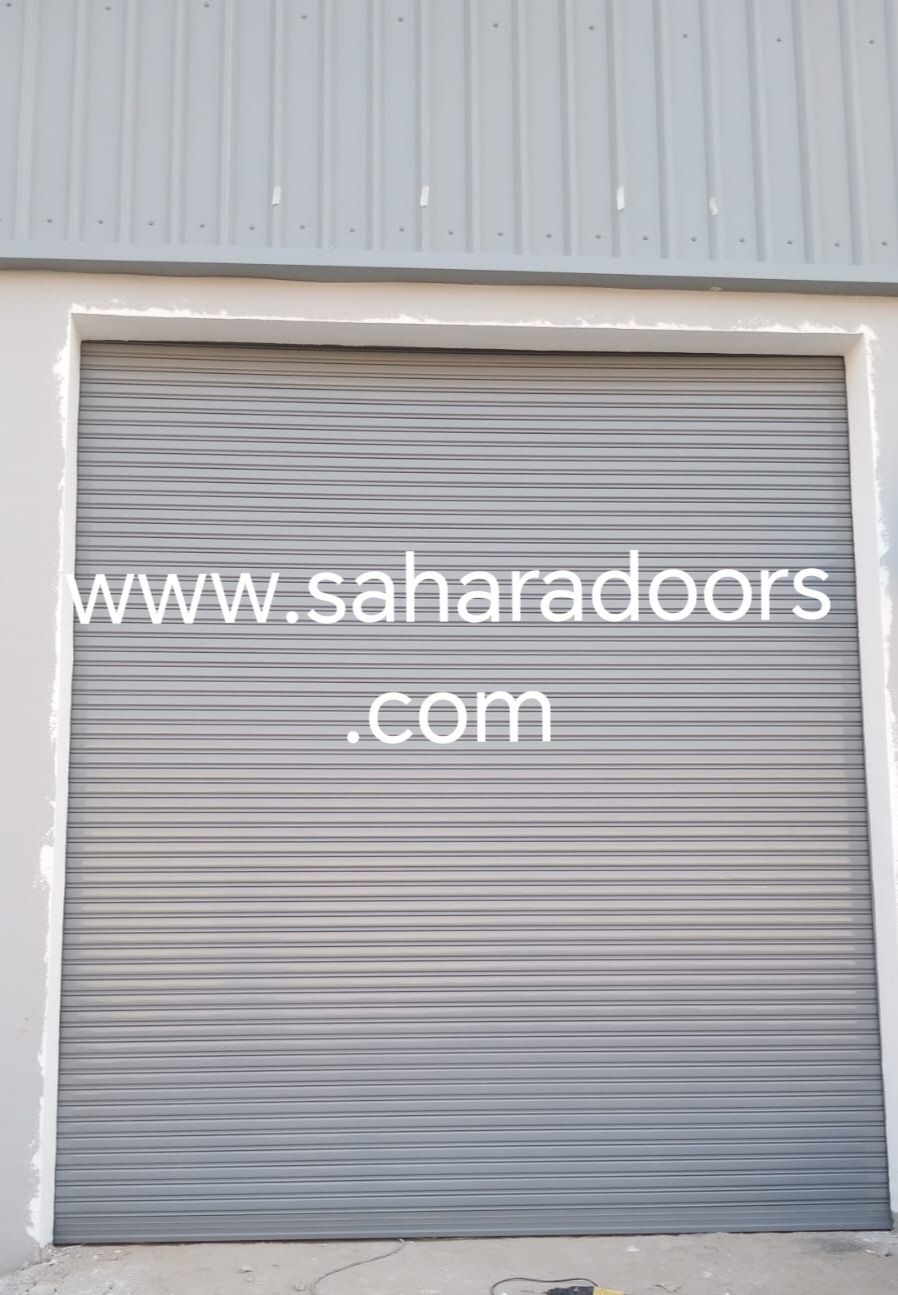
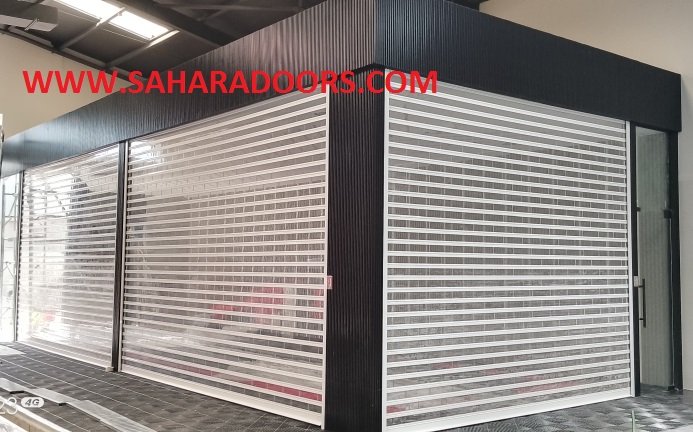
If you’re considering MOTORIZED ROLLER BLINDS options, begin with the window and the way the room is used. Consider the dimensions, access, mounting conditions, and how you want to manage light and privacy before focusing on automation.
Motorized roller blinds are not automatically the right fit for every window. Compare them with manual blinds and rolling shutters according to the job each product needs to do. A large or hard-to-reach window may raise different questions from one that people adjust regularly. A site assessment can help check conditions before you settle on a solution.
This guide explains what to assess, how to compare options, and what information to prepare before requesting a site survey. It also covers questions to ask about operation, installation, and support. Sahara Doors & Metals LLC supplies roller blinds and can discuss customized options for residential, commercial, and industrial spaces. Ask the team to confirm which configurations are available for your requirements, then check the plan against the site.
Key Takeaways
- For MOTORIZED ROLLER BLINDS RAK, assess each window and its intended use before focusing on automation.
- Compare motorized blinds, manual blinds, and rolling shutters by operation, application, and your priorities.
- Prepare approximate window measurements and relevant site details to make an assessment more useful.
- Plan the project in stages: define needs, arrange a site survey, confirm options, then plan installation.
- Sahara Doors & Metals offers roller blinds and can discuss customized solutions, site surveys, installation, and technical assistance.
What Are Motorized Roller Blinds, and Where Do They Fit?
Motorized roller blinds use a motor to raise or lower a roller blind. They can be considered where occupants want to operate a window covering without moving it by hand. The motor and controls may vary, so ask the supplier to confirm the available setup for the product being proposed. For a general overview of blinds and how they may be automated through motorization, see the background on window blinds.
They may be considered for residential, commercial, or industrial spaces, but suitability depends on the window, the mounting conditions, and the purpose of the covering. A homeowner might assess them for a bedroom or living area, while a business may consider them for an office or another occupied space. These are examples, not a guarantee that a particular blind or motor configuration will suit every site. Check the dimensions, intended use, installation conditions, and confirmed product specifications before choosing.
Roller blinds are window coverings. Don’t assume they provide the security or insulation performance of a shutter. If security is a priority, assess that requirement separately and review Sahara Doors’ GI rolling shutters as a distinct product option.
How Are Motorized Roller Blinds Different From Manual Blinds?
The main difference is how the blind is operated. A motor assists movement, while a manual blind is operated by hand. Neither is automatically the better choice. Consider whether the window is easy to reach, how often you expect to adjust it, and which operating method suits your routine. Ask the supplier to confirm the motor and control options available for the specific configuration.
Are Roller Blinds the Same as Rolling Shutters?
No. Roller blinds and rolling shutters are different product categories that address different priorities. A roller blind is selected as a window covering. A shutter should be assessed against the requirements of its intended application. Don’t choose between them by name alone. Explain the purpose and site conditions to the supplier, then check that the proposed product specifications fit the job.
When researching MOTORIZED ROLLER BLINDS RAK, start with these practical questions rather than automation alone. Sahara Doors & Metals supplies roller blinds and can discuss your window and application requirements. A site assessment can then help clarify the conditions that affect suitability.
How to Evaluate Motorized Roller Blinds for Your Windows
Start by defining what each window needs to do. Consider the room, how people use it, and whether your priority is managing daylight, privacy, or ease of operation. A blind used throughout the day may call for different considerations from one fitted to a window that is rarely adjusted. Don’t treat motorization alone as proof that a product is suitable.
Next, review the window and its surroundings. Note its approximate width and height, how it is positioned, and any nearby features that could affect access or installation. These notes help make a discussion more specific, but they do not replace professional measurements. Ask which materials, finishes, and customization choices are available for your requirements, and have the supplier confirm the options rather than assuming a particular specification.
Which Details Should You Prepare Before Requesting a Quote?
A short project brief makes an assessment more focused. Record the number of windows, their approximate dimensions, the room or work area, and how often you expect to operate the blinds. Include project-specific details, such as windows that are difficult to reach or a need to coordinate coverings in several areas. Note visible obstructions and access constraints, too. Ask whether an on-site survey is appropriate before finalizing measurements or options.
What Should You Confirm About Operation and Installation?
Ask the supplier to explain the motor and control arrangements available for the proposed blind. Confirm how the selected setup works and whether it suits your preferred everyday use. Don’t assume app control, voice operation, automated scheduling, or compatibility with other devices unless the supplier confirms those features for the specific configuration.
Clarify what installation includes and what needs to be ready at the site. Ask whether the window or mounting conditions could affect planning. It is also useful to ask what technical assistance, maintenance, or post-handover support may be available, then confirm the scope directly. These questions help you compare proposals on more than appearance alone.
For a MOTORIZED ROLLER BLINDS RAK project, a site survey can help verify window measurements and identify conditions that are not clear from notes or photographs. Sahara Doors & Metals offers site surveys and customized solutions, and can discuss your window and application requirements before the installation plan is settled.
Motorized Roller Blinds vs Manual Blinds and Rolling Shutters
These options are not interchangeable. Motorized and manual blinds are both window coverings, with operation as the main difference. Rolling shutters are a separate product category to assess when the project involves priorities such as access or security. Compare products by their intended use and confirmed specifications, not by appearance or automation alone.
| Option | Operation | Typical consideration | Buyer priority |
|---|---|---|---|
| Motorized roller blinds | A motor operates the blind; available controls need supplier confirmation. | Consider for windows where the operating method suits the room and user. | Preferred everyday operation and project requirements. |
| Manual roller blinds | Operated by hand. | Consider where direct manual operation fits the window and usage pattern. | Simplicity of operation and personal preference. |
| Rolling shutters | Configuration and operation depend on the selected product. | A separate option where access or security is part of the brief. | Application, material, configuration, and confirmed suitability. |
When Might a Buyer Prefer Motorized Rather Than Manual Blinds?
Motorization may suit someone who expects to adjust a blind often, has difficulty reaching a window, or prefers motor-assisted operation. A manual option may suit a window that is easy to reach and a user who prefers hand operation. Neither is universally better. Match the intended use to the available setup, and ask the supplier which motor types and controls are available for the specific blind.
Research can help frame questions, but it does not guarantee a particular result for every property. For example, this energy efficiency study examines automated shades in a particular research context. Its findings should not be assumed to apply to every blind, property, or installation.
When Should You Consider Rolling Shutters Instead?
Consider shutters when the requirement differs from covering a window, such as when access or security is part of the project brief. Don’t select a blind as a substitute for a shutter, or a shutter as a substitute for a blind, without assessing the intended application. If you are evaluating security-oriented options, review the separate GI rolling shutters category and confirm the material, configuration, and suitability with the supplier.
For MOTORIZED ROLLER BLINDS RAK, base the comparison on the actual window and project. Confirm the proposed product’s specifications directly and assess each option against the job it needs to do.
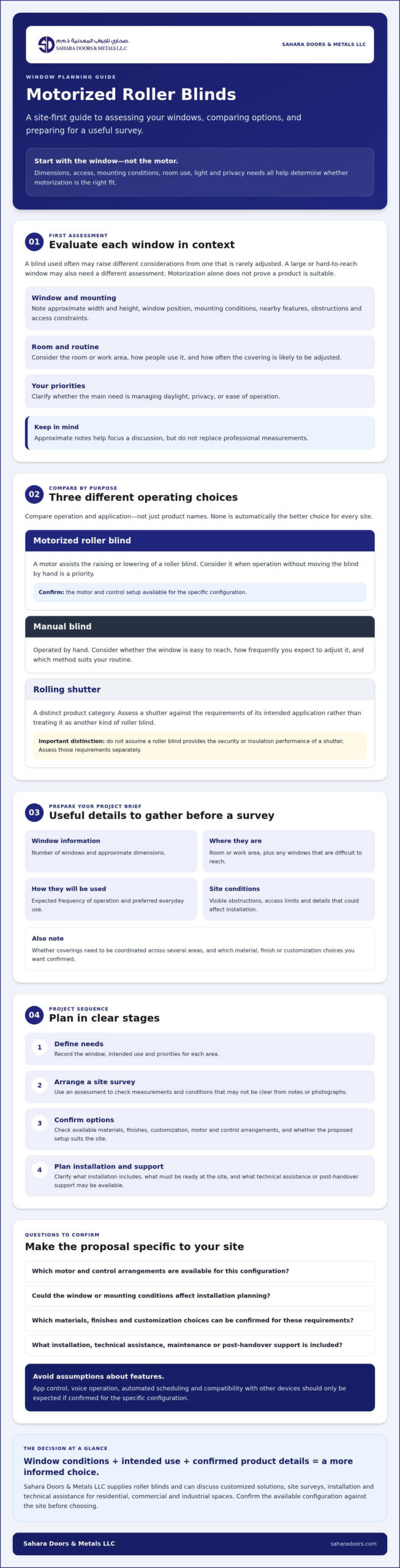
How to Plan a Motorized Roller Blind Project
A clear plan connects product selection to the actual windows and their intended use. Work through the project in order, then confirm the details with the supplier before arranging installation.
- Define your needs. Identify the rooms or work areas, what you want the blinds to do, and how you expect to operate them.
- Document the windows. Note how many windows are involved, their approximate dimensions, and any visible access or mounting considerations.
- Arrange an assessment. Ask whether an on-site survey would help verify measurements and review project-specific conditions.
- Confirm the options. Discuss the blind category, customization choices, and available motor and control specifications.
- Plan installation. Agree on responsibilities, site coordination, the schedule, and the support arrangements that apply to your project.
This sequence can help with a single room or a larger property. For MOTORIZED ROLLER BLINDS RAK, check measurements and requirements for the specific site instead of relying on a general product description. A survey can help identify details that are difficult to assess remotely, including the window opening and conditions around the intended installation area.
What Happens During a Site Survey?
A site survey gives you and the technical team an opportunity to review the windows and discuss how the space will be used. Ask the team to confirm measurements and note any installation conditions that could affect planning. Use the visit to raise questions about access, preferred operation, and customization. Confirm what the survey covers in advance, since its process and deliverables may vary.
What Should Be Agreed Before Installation?
Before work is scheduled, request written confirmation of the selected blind category, agreed customization, and confirmed product specifications. Clarify what installation includes, who is responsible for relevant site preparations, and how coordination will work. Ask for the expected schedule and details of technical or post-handover support, without assuming a particular service scope. Written records make it easier to check that the agreed plan reflects your requirements.
Sahara Doors & Metals offers site surveys, customized solutions, installation, and technical assistance. Confirm the scope and arrangements for your project directly, including any support details that matter to you.
Choosing Sahara Doors for Motorized Roller Blinds
Choosing motorized roller blinds involves more than picking a covering and an operating method. The window, intended use, and confirmed product options all shape the decision. Sahara Doors & Metals supplies roller blinds and vertical blinds, and can discuss requirements for residential, commercial, and industrial projects. Its support includes site surveys, customized solutions, installation, and technical assistance.
A tailored discussion can be useful when a project includes different window sizes, several rooms, or specific preferences for everyday operation. Share what you know about the windows and ask the team to confirm which configurations and motor options are available. The company has in-house fabrication and powder-coating capabilities, but don’t assume these apply to a particular blind or determine its specifications. Confirm the details for the proposed solution.
What Can Buyers Discuss With the Sahara Doors Team?
Bring approximate window dimensions, the number of windows, and a description of how each space is used. Explain your priorities, such as preferred operation or access considerations. Ask the team to confirm available blind configurations and motor options, along with the information needed to assess suitability. Before proceeding, clarify what installation covers and ask what technical or post-project support arrangements may apply.
Sahara Doors can arrange site surveys and discuss customized solutions. A survey provides an opportunity to review the windows and project needs, while the supplier can confirm measurements and relevant conditions. Ask what the assessment includes so you know what information or decisions to expect from it.
How to Take the Next Step
To prepare for a productive conversation, gather these details:
- Application: Which rooms or work areas need blinds, and how will they be used?
- Window information: How many windows are involved, and what are their approximate dimensions?
- Preferences: What operating approach and customization choices would you like to discuss?
- Assessment needs: Are there access or site conditions the team should review?
Use this information to begin a tailored discussion, not to assume a particular product configuration or outcome. Ask the team to confirm available options, installation scope, scheduling, and support arrangements in writing before deciding.
Plan Your Blind Project With Confidence
Choosing MOTORIZED ROLLER BLINDS RAK starts with the window and its everyday purpose, not automation alone. Compare motorized and manual blinds according to how you prefer to operate them. Assess rolling shutters separately when your priorities involve their distinct applications. Before proceeding, confirm the measurements, available configurations, motor options, installation scope, and support arrangements for your project.
Sahara Doors & Metals supplies roller blinds and vertical blinds, and offers site surveys and customized solutions to help assess project requirements. The company also provides installation, technical assistance, and post-handover support. Discuss the specifics with the team to understand which options are available and what arrangements apply to your property.
Clear requirements and a site-informed plan help you assess whether the proposed solution fits your space. Gather your window details and confirm the product and installation specifications before making a decision.
Frequently Asked Questions
What are motorized roller blinds?
Motorized roller blinds are window blinds that use a motor to operate the roller. The operating method, controls, and available configurations depend on the product, so don’t assume every motorized blind includes the same features. Before choosing, discuss window dimensions, intended use, and installation requirements with the supplier. Ask which motor and control options are available for the specific configuration you are considering.
Are motorized roller blinds suitable for homes and commercial properties?
They may suit different property types, depending on the windows, intended application, and confirmed product configuration. Requirements for a room at home may differ from those for a business space used throughout the day. Describe how the area will be used and ask which options can be considered. Sahara Doors serves residential, commercial, and industrial clients, and offers site surveys and customized solutions to help assess project requirements.
Can motorized roller blinds be customized?
Sahara Doors lists roller blinds among its offerings and provides customized solutions. The specific materials, finishes, dimensions, and motor configurations available for roller blinds should be confirmed with the team. Ask which choices can be tailored to your windows and project, and request the available specifications before selecting an option. This helps ensure the proposed configuration reflects your requirements rather than assumptions about customization.
How do motorized roller blinds differ from rolling shutters?
Roller blinds are a window-covering product, while rolling shutters are a separate category for different requirements. They are not interchangeable, so start by identifying the purpose of the product. If access or security is part of the project, discuss whether a rolling shutter may be more appropriate. Ask the supplier to confirm the material, configuration, and specifications available for the intended application before making your choice.
What should I check before ordering motorized roller blinds?
Prepare the number of windows, their approximate dimensions, the setting, and how you expect to use the blinds. Note your preferences for operation and appearance, then ask the supplier to confirm available motor options and product specifications. Clarify the installation scope and what support may be available after handover. A site survey can help review measurements and project conditions. Confirm what the assessment includes and whether it suits your project.
Does Sahara Doors install and maintain roller blinds?
Sahara Doors supplies, installs, and maintains a broad portfolio of shading and security products, and roller blinds are among its offerings. Confirm whether installation and maintenance apply to the specific roller blind configuration you are considering. Ask what installation covers, what maintenance may involve, and what technical or post-handover support is available for your project. Clarifying the scope directly helps set expectations before you proceed.