

Article by
Sahara Doors & Metals LLC
Leaders in rolling shutters
A standard single-skin shutter is no longer a viable defense against the rising operational costs and thermal stresses of 2026. If your facility relies on outdated entry systems, you’re likely watching your profits vanish through thermal leakage and structural bowing during peak heat. Transitioning to high-performance double skin insulated shutters is no longer just an energy-saving luxury; it’s a structural necessity for maintaining building integrity in demanding climates. At Sahara Doors & Metals, we know that as a contractor or developer, you require precision engineering that matches your own rigorous standards.
You probably agree that HVAC efficiency and site security are non-negotiable priorities for any modern industrial project. This professional comparison guide promises to help you optimize your facility’s performance by identifying the best materials for your specific needs. We’ll explore the critical differences between GI and aluminum slats, analyze the impact of U-values as low as 0.69W/m²K, and ensure your installation meets the latest BS EN 13241 safety compliance standards for total peace of mind.
Key Takeaways
- Evaluate how interlocking slats and specialized thermal breaks prevent heat transfer; this keeps your warehouse climate-controlled and reduces energy waste.
- Contrast the structural strength of galvanized iron with the lightweight, corrosion-resistant properties of aluminum to find the best fit for your facility.
- Learn why double skin insulated shutters are essential for preventing structural bowing and maintaining building envelope integrity during extreme thermal expansion.
- Select the right insulation infill and high-speed motorization kits to ensure your specialized door systems provide long-term durability with low maintenance.
- Gain insights into how precision engineering and custom fabrication allow for seamless integration of industrial-grade materials into your specific architectural designs.
Understanding the Role of Double Skin Insulated Shutters in Industrial Environments
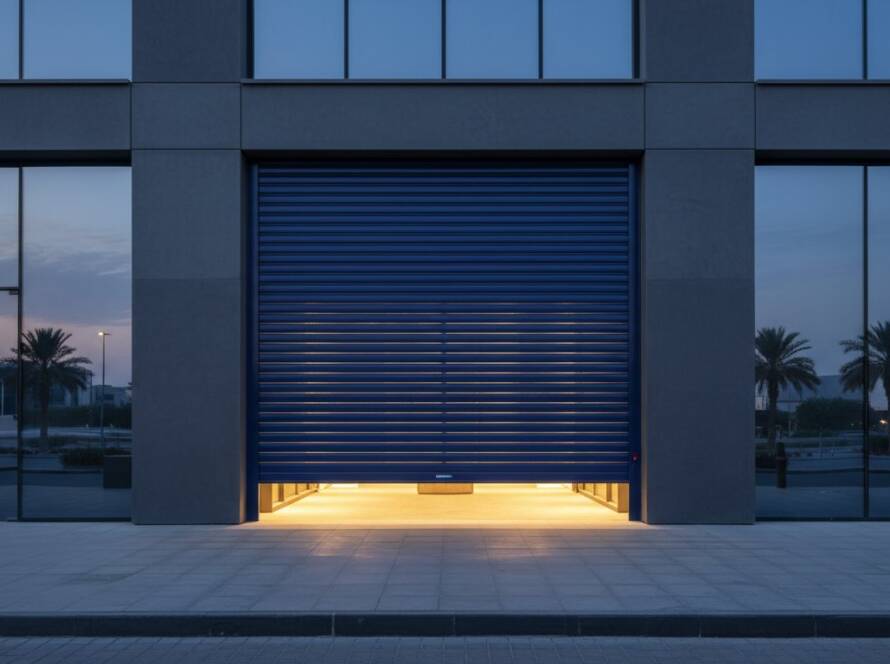
Modern industrial architecture demands more than a simple physical barrier; it requires a high-performance building envelope. Double skin insulated shutters feature a sophisticated architecture consisting of two interlocking slats that encapsulate a high-density insulating core. This specialized “sandwich” construction creates a rigid, durable profile designed to withstand the harsh environmental stresses of 2026. By integrating thermal breaks, these systems effectively disrupt the path of heat conduction, preventing external temperatures from compromising your facility’s internal climate.
A thorough understanding of roller shutter components and applications is essential for architects and contractors who prioritize long-term performance over short-term savings. Our fabrication process ensures that every component serves a dual purpose: enhancing structural security and improving thermal efficiency. These shutters are now a cornerstone of sustainable design, contributing directly to LEED certification and other green building standards by significantly reducing HVAC load. You’ll primarily find these systems in cold storage facilities, pharmaceutical hubs, and high-end retail environments where environmental consistency is a strict operational requirement.
The Mechanics of Thermal Resistance
Thermal performance is measured through U-values and R-values, which quantify the rate of heat transfer and the material’s resistance to heat flow respectively. Our insulated systems can achieve a U-value as low as 0.69W/m²K, providing a formidable barrier against convection and radiation. Thermal conductivity in double-skin GI slats refers to the rate at which heat passes through the metallic profile, a process significantly slowed by the internal insulating core. This resistance ensures that your warehouse remains cool even when external temperatures reach extreme levels.
Acoustic Insulation and Noise Reduction
Beyond temperature control, double skin insulated shutters offer exceptional acoustic benefits for urban commercial developments. The polyurethane foam (PUF) infill acts as a high-performance dampener, absorbing sound waves and reducing decibel levels from external traffic or industrial machinery. When paired with high-grade acoustic seals along the guides and lintel, the perimeter performance improves dramatically. This makes them the preferred choice for facilities located in noise-sensitive zones or mixed-use developments where sound containment is legally mandated. For a deeper technical understanding of how precision-fabricated systems can achieve reductions of up to 57dB while meeting EN ISO 717-1:2013 standards, explore our engineering guide to soundproof rolling shutters and acoustic noise control.
Material Engineering: GI vs. Aluminium Double Skin Profiles
Selecting the right substrate for double skin insulated shutters depends entirely on the clear opening width and the environmental conditions of the site. Galvanized Iron (GI) remains the industry standard for high-security applications and massive industrial spans exceeding 6 meters. Its high tensile strength ensures the curtain remains stable under its own weight without sagging over time. Conversely, Aluminium profiles offer superior corrosion resistance and a significantly lighter operational load. This makes them the preferred choice for high-cycle environments where reducing wear on the motor and mechanical components is a priority.
Profile engineering also dictates the spatial requirements of the installation. A 48mm profile height allows for a tighter roll-up diameter, which is essential for projects with restricted headroom. Larger 77mm or 92mm profiles provide much greater structural integrity for wide warehouse bays but necessitate a larger hood box to accommodate the increased roll volume. To ensure long-term performance, you can specify various surface finishes. While standard hot-dipped galvanized finishes provide excellent base protection, architectural-grade powder coating offers superior UV resistance and prevents the surface oxidation often found in harsh climates.
Durability and Corrosion Resistance
In high-humidity zones across the UAE, material choice is a critical engineering decision. GI profiles perform exceptionally well in inland industrial zones when treated with high-quality zinc coatings. However, for architectural projects located near the coastline, marine-grade aluminium is the superior investment. It naturally forms a protective oxide layer that prevents the deep-seated rust often seen in inferior single-skin systems. If you’re currently designing a facility in a high-salinity area, it’s wise to explore our specialized door systems to ensure your hardware survives the environment.
Structural Rigidity and Wind Loading
Structural integrity is where the double-skin design truly outperforms traditional metalwork. By interlocking two metal faces around a rigid insulating core, the slat resists deflection far better than a flat sheet of metal. This rigidity is vital when calculating wind load requirements for large industrial openings. According to recent research on insulated shutter performance, the composite nature of these slats significantly improves their resistance to pressure cycles. Heavy-duty guide channels with integrated wind locks ensure the curtain remains seated even during seasonal storm surges. This precision engineering prevents the curtain from blowing out of the tracks, protecting both the building’s inventory and its structural envelope.
Performance Analysis: Double Skin vs. Single Skin Rolling Shutters
Standard single-skin shutters are essentially thin metal curtains that offer minimal resistance to environmental forces. Under the intense thermal load typical of the UAE, these single-layered profiles suffer from the “bowing” effect. This occurs when the side of the metal facing the sun expands rapidly while the shaded side remains cooler, causing the slat to curve outward. Double skin insulated shutters eliminate this failure point through a composite box-section design. By utilizing two metal faces separated by a rigid core, the curtain maintains its structural flatness even when external temperatures soar, ensuring the slats don’t jam within the guide channels.
Security is another area where precision engineering makes a measurable difference. A single-skin GI profile provides a basic deterrent, but it’s vulnerable to puncture and localized deformation. In contrast, double-skin systems offer a dual-layered barrier that significantly increases the effort required for unauthorized entry. The combination of two metal skins and a high-density insulating infill creates a sturdy profile that resists impact and cutting far better than traditional metalwork. For industrial clients, this translates to a higher level of site protection and lower insurance premiums over time.
You should view the choice between these systems through the lens of lifecycle cost analysis. While the initial investment for insulated systems is higher, the Total Cost of Ownership (TCO) is consistently lower. Single-skin shutters often lead to frequent motor repairs and track realignments due to thermal warping. By investing in specialized door systems with insulated profiles, you avoid these recurring maintenance fees. The long-term value retention for commercial properties is clear; you get a more reliable, secure, and energy-efficient building envelope that requires fewer interventions over its operational life.
Thermal Expansion and Operational Reliability
Thermal expansion isn’t just a physical nuisance; it’s a primary cause of mechanical failure in industrial entryways. When a shutter bows, it creates immense friction against the side guides, forcing the motor to draw more current and work beyond its intended torque capacity. Insulated slats act as a thermal buffer, preventing heat from reaching the internal skin and keeping the entire curtain stable. Maintaining a true, vertical slat profile ensures that your motor operates under optimal conditions, which directly extends the lifespan of your automation hardware.
The ROI of Insulation
Industrial HVAC systems represent a massive operational expense, and uninsulated shutters are often the weakest link in the thermal chain. An uninsulated metal door acts as a radiator, transferring heat directly into climate-controlled warehouses. Switching to double skin insulated shutters reduces the cooling load on your HVAC units by providing a superior thermal seal. This leads to fewer cooling cycles and lower electricity bills. For commercial property developers, these systems provide a tangible selling point, offering tenants a workspace that’s both comfortable and cost-effective to maintain. To understand how these systems align with the latest green building regulations and U-value requirements across the Gulf, review our comprehensive guide to insulated rolling shutter UAE thermal efficiency standards for 2026.
Key Technical Specifications for High-Performance Shutter Selection
Selecting the right technical configuration for double skin insulated shutters requires a deep understanding of how internal components interact with the building’s operational demands. While the external metal skin provides the first line of defense, the internal specifications determine the system’s ultimate thermal and mechanical performance. You must evaluate the infill material, motor torque capacity, and perimeter sealing to ensure the final installation meets the rigorous standards of industrial-grade metalwork. Precision engineering at this stage prevents premature component fatigue and ensures the specialized door systems function reliably under heavy-duty cycles.
Choosing the Right Insulating Core
The choice between Polyurethane Foam (PUF) and Rockwool depends on your facility’s specific safety and thermal requirements. PUF is the industry standard for maximum thermal efficiency and lightweight construction; it offers an excellent strength-to-weight ratio that reduces the load on the motor. For projects where fire safety is the primary concern, Rockwool (Mineral Wool) is the superior choice. Industrial-grade Rockwool infills often feature a density of 80 kg/m³, providing enhanced fire-rated properties and superior acoustic dampening. This high-density core ensures the shutter acts as a robust barrier against both heat transfer and sound transmission in sensitive environments. Facilities operating in legally mandated noise-sensitive zones should also consider how core density directly impacts the acoustic performance ratings of soundproof rolling shutters engineered for urban compliance.
Automation and Control Systems
Motorization for double-skin systems is more complex than for standard shutters due to the increased curtain weight. You must calculate the precise torque requirements to ensure the side motor can handle the initial lifting force without overheating. High-performance automation kits are designed for heavy-duty cycles, allowing for consistent operation in high-traffic warehouse bays. Modern control systems allow for seamless integration into Building Management Systems (BMS), giving facility managers centralized control over all entry points. Whether you prefer wall-mounted push-buttons or secure remote control access, the automation must include a manual override system to ensure operational continuity during power outages.
Weather sealing and safety features complete the high-performance package. High-grade EPDM bottom seals and side brush strips are essential for maintaining a pressurized environment and keeping out dust and debris. To protect personnel and equipment, every motorized installation should feature photo-cell sensors that detect obstructions and halt the curtain’s movement instantly. These safety features are not just optional add-ons; they are critical for compliance with international safety regulations. If you’re ready to specify these technical details for your next project, you can request a technical consultation to review your site-specific requirements with our engineering team.
Sahara Doors: Precision-Engineered Insulated Shutter Solutions
Sahara Doors & Metals llc operates as a specialized manufacturer and high-end industrial partner. We don’t just supply products; we engineer solutions. Our in-house manufacturing facility allows us to maintain total control over the fabrication process, ensuring that every set of double skin insulated shutters meets our strict standards for precision and durability. By utilizing industrial-grade materials and precision engineering, we provide architects and developers with a dependable product that stands up to the most demanding operational environments in the UAE. Our commitment to quality means we never compromise on the gauge of our metal or the density of our insulation.
Custom Fabrication Capabilities
Every project has unique architectural requirements that off-the-shelf products cannot satisfy. We specialize in custom metalwork tailored to your specific site conditions, whether you need specialized slat profiles or custom powder-coated finishes. Ensuring a perfect fit and alignment for large-scale industrial openings is a core part of our craftsmanship. This attention to detail prevents the common installation issues that lead to mechanical failure. For those who require the same level of security in a non-insulated format, our GI Rolling Shutter systems provide an equally robust alternative for standard security needs where thermal breaks aren’t the primary concern.
Your Partner in Industrial Security
Navigating the complexities of large-scale construction requires a partner who understands both the technical requirements and the project budget. We bridge this gap by offering direct consultations to contractors and architects throughout the UAE. Our team provides nationwide support, from the initial design phase to professional installation and long-term maintenance. We understand that your reputation depends on the reliability of the vendors you choose. That’s why we focus on transparency, providing clear technical specifications and realistic timelines for every project. To learn more about the technical nuances of the setup process, explore our 2026 Installation Guide for Insulated Shutters.
We invite you to engage with our experts for your next development. Whether you’re upgrading a warehouse or designing a new pharmaceutical hub, our double skin insulated shutters offer the thermal efficiency and security your facility deserves. Our specialized door systems are built to last, reducing your long-term maintenance costs while enhancing the safety of your space. Contact us today to request a technical consultation or a detailed quote for your project portfolio. We’re ready to prove why we are the preferred choice for industrial entryways in the region.
Securing Your Facility’s Future with Advanced Thermal Protection
Choosing high-performance entry systems is a strategic investment in your building’s operational longevity. You’ve seen how the composite design of double skin insulated shutters prevents structural bowing while delivering measurable thermal resistance. By prioritizing specific core densities and calculating motor torque accurately, you ensure your facility remains secure and energy-efficient for the long term. These technical decisions translate directly into lower utility costs and reduced mechanical wear on your automated systems.
Sahara Doors & Metals llc was founded in 2010; we bring over a decade of UAE expertise to every project we undertake. We specialize in custom industrial-grade metal fabrication and provide nationwide installation and maintenance support to keep your operations running smoothly. Our engineers understand the unique challenges of the regional climate and are ready to help you bridge the gap between complex technical requirements and project budgets. Request a Technical Consultation for Your Project today to see how our specialized door systems can enhance your next development. We’re eager to support your vision with craftsmanship that stands the test of time.
Frequently Asked Questions
What is the primary difference between double skin and single skin shutters?
The primary difference lies in the structural composition; double skin systems feature two interlocking metal faces that encapsulate an insulating core. Single skin shutters consist of a single sheet of metal with no thermal barrier. This box-section architecture provides the rigidity needed to prevent the curtain from curving under extreme heat. It creates a much sturdier profile compared to the flexible nature of traditional single-layered slats.
How much energy can be saved by installing insulated rolling shutters in the UAE?
Installing these systems lowers your facility’s cooling demand by significantly reducing the rate of thermal transfer. While exact savings depend on your specific HVAC configuration, using double skin insulated shutters with a U-value of 0.69W/m²K provides a formidable barrier against the UAE’s ambient heat. This reduction in the thermal load allows your industrial cooling units to operate at lower cycles, extending their mechanical lifespan and lowering monthly utility expenses. For a detailed breakdown of how these savings are calculated against current Al Sa’fat green building benchmarks, see our 2026 professional guide to insulated rolling shutter UAE specifications.
Which infill material is better: PUF or Rockwool?
PUF (Polyurethane Foam) is superior for thermal efficiency and lightweight operation, while Rockwool is the better choice for fire-sensitive areas. PUF provides a high strength-to-weight ratio that’s easy on your motors. Rockwool, with a typical density of 80 kg/m³, offers enhanced fire resistance and superior acoustic dampening. Your choice should depend on whether your priority is energy conservation or meeting specific fire safety regulations.
Can double skin insulated shutters be fire-rated?
Yes, these shutters can be fire-rated when fabricated with specific mineral wool infills and tested to international standards. For applications in fire-sensitive zones, the assembly must meet BS 476 or EN 1634 requirements for fire resistance. It’s essential to specify these requirements during the design phase so the fabrication process utilizes the correct fire-rated components and specialized seals required for legal compliance in 2026.
What is the maximum width for a motorized double skin GI shutter?
Motorized GI shutters can typically span widths up to 12 meters, though the specific engineering depends on local wind load requirements. Large-scale industrial openings require specialized side motors with calculated torque capacities to handle the increased weight of the double-layered slats. We use precision engineering to determine the optimal slat profile, usually between 77mm and 92mm, to ensure the curtain remains stable across such massive spans without sagging.
Do insulated shutters require more maintenance than standard ones?
These shutters don’t require more maintenance; in many cases, they require less because the rigid design prevents mechanical jamming. Standard shutters often suffer from thermal expansion that damages tracks and overworks motors. Because double skin insulated shutters maintain their shape even in direct sunlight, they reduce the friction within the guide channels. This stability protects your automation hardware and lowers the frequency of emergency repairs.
How do double skin shutters improve building security?
Building security improves through the dual-layered metal barrier that offers significantly higher puncture resistance than a single sheet of GI. The composite nature of the slats makes it much harder for intruders to cut through or deform the curtain. When combined with heavy-duty guide channels and wind locks, the entire system provides a formidable physical deterrent that protects high-value inventory and sensitive industrial equipment.
Are these shutters compatible with smart building automation systems?
Modern insulated shutters are fully compatible with smart building automation and Building Management Systems (BMS). You can integrate the motor controllers into centralized platforms to monitor door status and automate opening cycles based on facility schedules. This connectivity allows for remote operation via secure apps or wall-mounted push-buttons. It’s a standard requirement for high-end commercial developments looking to optimize security and environmental control through a single interface.
1 Comment