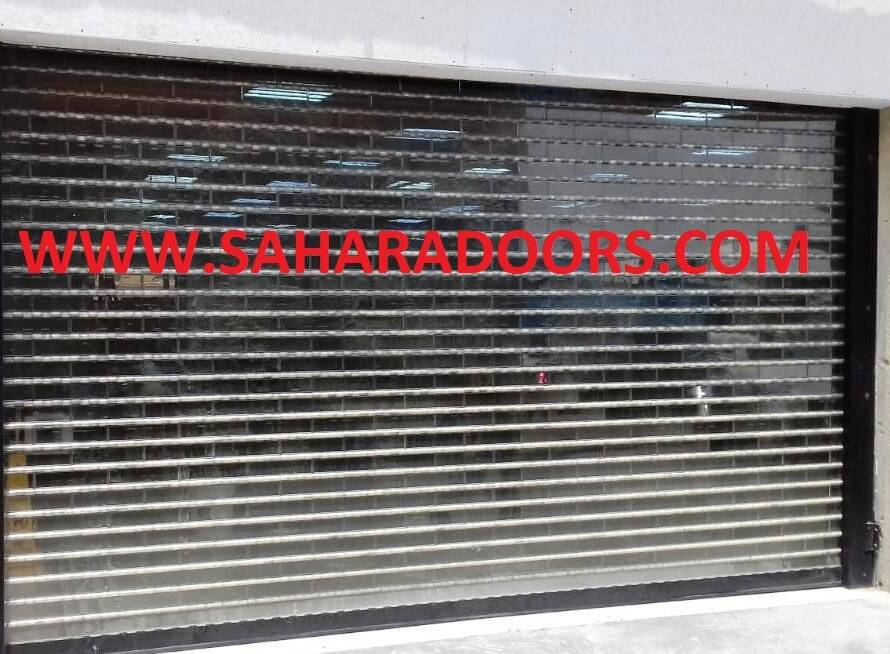
Article by
Sahara Doors & Metals LLC
Leaders in rolling shutters
What if the very cleaning agent you’re using to restore your shutters is actually the silent catalyst for permanent clouding and structural degradation? It’s a common concern for facility managers and property owners who demand the high-impact protection of polycarbonate but fear the micro-scratches caused by improper maintenance. When you’re managing large-scale installations, understanding how to clean polycarbonate shutters correctly is the difference between long-term transparency and a costly, hazy replacement.
We understand that maintaining the clarity and UV resistance of your specialized door systems is a top priority for your site’s security and aesthetics. This professional maintenance guide provides the technical expertise you need to master a safe, efficient workflow for your transparent shutters. You’ll learn our proven two-stage process for debris removal and chemical-neutral hydration, designed to preserve the precision engineering of your shutters while preventing the common pitfalls of industrial cleaning. We’ll also cover essential safety standards and the latest EPA-recommended solutions to ensure your maintenance routine is as durable as the materials we fabricate.
Key Takeaways
- Understand the technical balance between industrial-grade impact resistance and surface sensitivity to prevent permanent clouding and material degradation.
- Identify the specific combination of soft microfiber tools and pH-neutral detergents required to maintain the clarity of your specialized door systems.
- Master the professional two-stage workflow on how to clean polycarbonate shutters to ensure surface particulates are removed without causing abrasive damage.
- Discover how to implement a localized maintenance schedule and apply specialized UV-protectant waxes to extend the lifecycle of your architectural installation.
- Learn the critical thresholds for transitioning from routine cleaning to professional industrial maintenance contracts for large-scale commercial developments.
Understanding Polycarbonate: Why Proper Cleaning is Critical for Clarity
Polycarbonate is a high-performance thermoplastic engineered for environments that demand both transparency and extreme impact resistance. In our fabrication process, we utilize this material for specialized door systems because it offers the clarity of glass with the strength of steel. While it’s an industrial-grade solution, it’s not a set-and-forget material. Mastering how to clean polycarbonate shutters is essential for maintaining the professional aesthetic and functional safety of your facility.
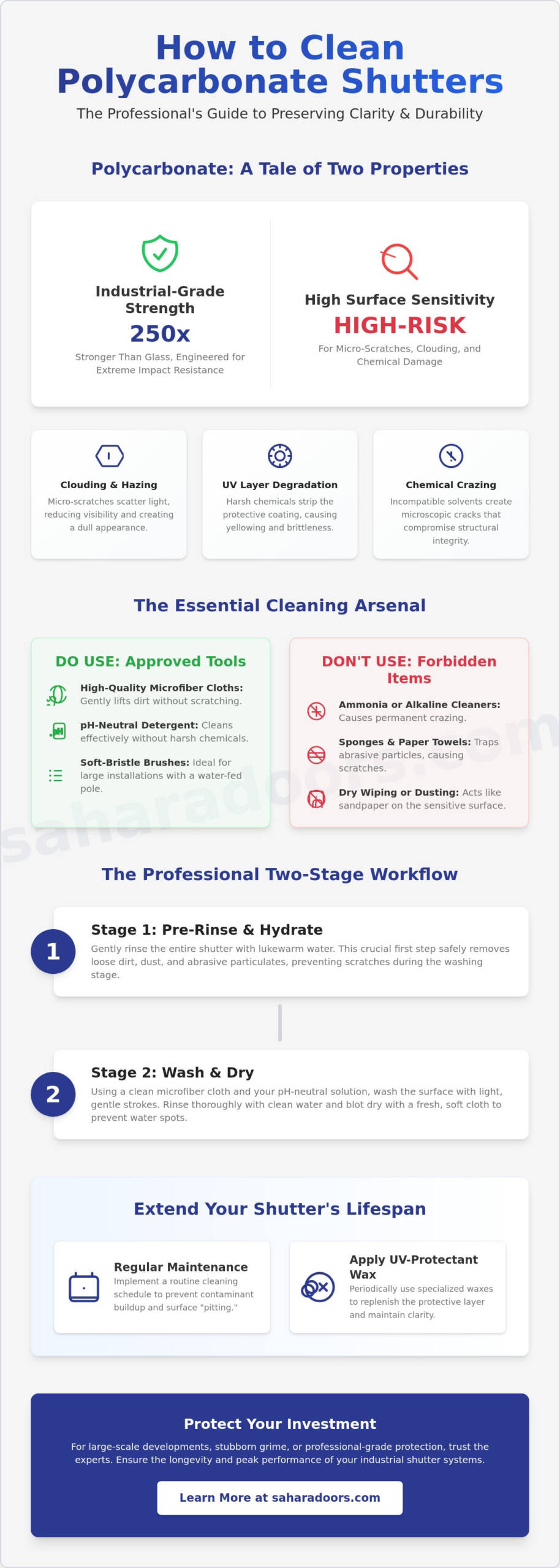
These unique Polycarbonate properties allow us to produce shutters that are roughly 250 times stronger than glass. However, this strength comes with a specific surface vulnerability. Polycarbonate is naturally scratch-sensitive. This means that while a sledgehammer might not break the slat, a dry cloth covered in fine dust can permanently dull the finish. You’re dealing with a material that’s structurally robust but requires a gentle touch to remain visually clear.
Most high-quality polycarbonate shutters feature a factory-applied UV protective layer. This coating is your primary defense against yellowing and brittleness caused by sun exposure. If you use abrasive tools or the wrong chemicals, you risk stripping this protection away. Once the UV layer is compromised, the material’s lifespan drops significantly. You also face the threat of “crazing,” which refers to the development of thousands of microscopic cracks. This usually happens when you apply incompatible chemical solvents like ammonia or alkaline cleaners that attack the polymer chains.
The Science of Transparency and Durability
High light transmission is the core benefit of these shutters. When micro-scratches accumulate on the surface, they scatter light rather than letting it pass through. This creates a hazy or cloudy appearance that ruins visibility. Beyond aesthetics, precision engineering ensures that each shutter slat aligns perfectly within the tracks. If dirt and grime build up in the hinges or moving parts, it increases friction and strain on the motor or manual lifting mechanism. The material’s structural integrity is nearly indestructible, yet its surface remains susceptible to environmental degradation.
Common Risks in Industrial and Commercial Environments
Industrial dust, salt spray, and airborne particulates act like sandpaper on synthetic surfaces. If you’re wondering how to clean polycarbonate shutters safely, you must avoid standard glass cleaners. These products often contain harsh chemicals that cause immediate clouding. Neglecting a regular maintenance schedule leads to more than just a dirty look; it results in “pitting,” where contaminants eat into the surface. Systematic maintenance is always more cost-effective than a full system replacement. Regular care preserves the craftsmanship of your installation and ensures your security barriers remain a high-value asset for years.
The Essential Cleaning Kit: Tools and Solvents for Transparent Shutters
Maintaining the structural integrity and visual clarity of industrial installations requires more than just a bucket and water. You need a specialized inventory that respects the material’s surface sensitivity while addressing the heavy pollutants found in commercial environments. Selecting the right tools for how to clean polycarbonate shutters ensures that your security barriers remain a high-value asset rather than a maintenance liability.
The foundation of your kit should be high-quality microfiber cloths or 100% cotton rags. Sponges and generic paper towels are prohibited because they often trap abrasive particulates within their pores, leading to the micro-scratches discussed in the previous section. For large-scale Polycarbonate Rolling Shutter systems, we recommend utilizing telescopic water-fed poles equipped with soft-bristle brush heads specifically designed for synthetic glazing. These tools allow for consistent pressure across the entire surface of the slats without requiring excessive physical force.
Lukewarm water mixed with a mild, non-abrasive pH-neutral detergent is the only solution required for standard cleaning. To enhance the longevity of the finish, consider incorporating an anti-static cleaner. These specialized formulations reduce the static charge on the thermoplastic surface, which actively repels dust and airborne debris. This is particularly effective for facilities located near high-traffic roads or industrial zones where particulate buildup is constant.
Approved Cleaning Agents vs. Prohibited Chemicals
Safety starts with chemical compatibility. Approved agents include mild dish soaps and specialized plastic cleaners like Novus or Brillianize. You must strictly avoid ammonia-based window cleaners, bleach, gasoline, and highly alkaline solvents. These substances penetrate the polymer chains, causing immediate clouding or “crazing.” Even “natural” cleaners like vinegar are risky; their acidic nature can etch or degrade the factory-applied UV protective coatings, leading to premature yellowing. Stick to tested, pH-neutral solutions to safeguard your investment.
Mechanical Tools for Safe Maintenance
Mechanical precision is just as vital as chemical safety. Always begin with a comprehensive low-pressure water rinse to dislodge surface sand and grit before any physical contact occurs. While squeegees are standard in glass cleaning, they should be avoided on polycarbonate unless they are brand new and made of high-grade, soft silicone. A trapped grain of sand under a squeegee blade will leave a permanent gouge across the shutter. For high-access commercial shutters, ensure your team uses certified scaffolding or stable ladders that allow for a top-to-bottom cleaning motion, preventing dirty runoff from streaking previously cleaned sections.
Step-by-Step Guide: How to Clean Polycarbonate Rolling and Folding Shutters
Cleaning high-performance shutters requires a methodical approach that accounts for both the synthetic material and the mechanical hardware. Unlike fixed glazing, shutter systems feature overlapping components and moving joints that trap environmental pollutants. Mastering how to clean polycarbonate shutters involves a sequence that protects the precision engineering of the tracks while restoring the transparency of the slats.
Begin your maintenance with a comprehensive low-pressure water rinse. This initial stage is vital; it dislodges surface particulates like sand and industrial grit without forcing them into the mechanical joints. Once the surface is clear of loose debris, apply your pH-neutral cleaning solution using a consistent top-to-bottom motion. This prevents dirty runoff from contaminating sections you’ve already addressed. Focus your attention on the slat joints and hinges, as these are the primary accumulation points for abrasive debris that can cause friction during operation.
After the soap application, perform a final rinse. If your facility has access to deionized or distilled water, use it for this stage to eliminate the risk of mineral spotting. Finally, dry the surface immediately with a clean, soft microfiber cloth. Leaving polycarbonate to air-dry often results in unsightly water marks that can be difficult to remove once they’ve set under direct sunlight.
Cleaning the Rolling Mechanism and Slats
For a Motorized Rolling Shutter, the most effective technique is to clean the slats individually as the system is slowly lowered. This ensures you reach the hidden “hook” area where one slat connects to the next. Use a soft brush to clear the side guide rails of any compacted dust or grease buildup. It’s critical to dry these joints thoroughly after cleaning. Trapped moisture within the interlocking slats doesn’t just cause spotting; it can lead to internal corrosion of the metal end-locks and hardware over time.
Handling Folding Polycarbonate Systems
Folding polycarbonate shutters present a different challenge due to their vertical orientation and multiple pivot points. When cleaning these panels, pay close attention to the vertical hinges and the “hidden” surfaces that are only exposed when the system is partially folded. Use a soft-bristled detail brush to reach into the hinge cavities where wind-blown grit settles. For sliding polycarbonate systems, the bottom track is the most common failure point. Vacuum or brush out the track before rinsing to prevent the formation of a muddy sludge that can jam the rollers and compromise the smooth operation of your specialized door system.
Post-Cleaning Maintenance and Environmental Protection Strategies
Completing a deep clean is only the first phase of preserving your specialized door systems. To ensure long-term durability, you must implement a post-cleaning strategy that addresses the specific environmental challenges of our region. At Sahara Doors & Metals LLC, we engineer our products using industrial-grade materials designed for maximum resilience, but even the best precision engineering requires a structured maintenance schedule to combat high UV exposure and abrasive dust.
Once the surface is dry, applying a specialized UV-protectant polish can significantly extend the clarity of the slats. These polishes create a microscopic barrier that fills in minor surface irregularities and adds an extra layer of defense against solar degradation. During this process, take the time to monitor the integrity of all weather stripping and seals. Brittle or cracked seals allow dust to bypass the shutter, leading to internal accumulation that complicates how to clean polycarbonate shutters during the next cycle.
Adapting to the National Climate
Our local climate demands a flexible maintenance approach. Following a significant sandstorm or high-wind event, a simple low-pressure water rinse is mandatory to prevent grit from settling into the hinges. High humidity in coastal areas can lead to sticky salt residue that traps airborne pollutants more aggressively than in arid inland zones. As a professional standard, coastal installations require a full cleaning cycle every three months, while inland commercial properties can typically maintain a six-month schedule. This proactive rhythm prevents the “pitting” effect caused by long-term contaminant exposure.
Long-term Care for Motorized Components
Special care is required when maintaining motorized rolling shutters to protect the mechanical heart of the system. You must ensure that water and cleaning solvents never enter the motor housing or electrical junction boxes. After a deep cleaning, inspect the side tracks and apply a high-quality silicone-based lubricant to ensure smooth operation. Avoid petroleum-based greases, as they attract dust and create a grinding paste that damages both the tracks and the polycarbonate slats. If you notice any signs of stress fractures or unusual friction during routine washing, it’s time to consult an expert. For a comprehensive evaluation of your facility’s entryways, request a professional consultation with our technical team.
Professional Maintenance: Ensuring Longevity for Industrial Shutter Systems
While understanding how to clean polycarbonate shutters is vital for daily operations, commercial developments often reach a scale where DIY maintenance is no longer sufficient. Transitioning to professional industrial maintenance ensures that your specialized door systems receive a technical audit that goes beyond surface clarity. A comprehensive service contract provides a structured approach to longevity, allowing our engineers to inspect the structural integrity of the frames and the precise calibration of the motorized components. We specialize in identifying minor alignment issues that, if left unaddressed, could lead to significant mechanical strain and eventual system failure.
Professional cleaning and maintenance protocols offer several distinct advantages for large-scale facilities:
- Early Detection: Identifying micro-fractures or “crazing” in the polycarbonate before they compromise the shutter’s impact resistance.
- Mechanical Calibration: Adjusting the tension of the counter-balance springs and ensuring the motor limits are perfectly set to prevent slat damage.
- Industrial-Grade Solvent Application: Utilizing specialized, anti-static coatings that are often unavailable for general consumer use.
- Regulatory Compliance: Ensuring all high-access maintenance adheres to safety standards for commercial and industrial zones.
Regular technical assessments minimize downtime and protect your facility from the security risks associated with shutter malfunctions. By partnering with a seasoned manufacturer, you gain access to a deeper level of expertise that covers both the synthetic glazing and the heavy-duty custom metalwork that supports it. This holistic approach ensures that the aesthetic transparency of your shutters is matched by their structural dependability.
The Sahara Doors Excellence in Metalwork and Fabrication
Our reputation is built on precision engineering and the use of industrial-grade materials across our entire product line. This expertise extends from our custom metalwork frames to high-performance solutions like high speed doors. Every polycarbonate system we fabricate is a result of meticulous craftsmanship, designed to withstand the rigors of industrial use while maintaining a professional aesthetic. We invite contractors and developers to explore our project portfolio to see how our specialized door systems have been integrated into leading national infrastructure projects.
Requesting a Custom Maintenance Consultation
We provide tailored support for facility managers and commercial developers who require dependable, long-term door solutions. Our technical team is available to provide full specifications and maintenance protocols for all our installations. Whether you’re managing a single warehouse or a multi-site industrial complex, we offer the reliability and technical excellence necessary to keep your operations secure. Contact us today to request a custom maintenance consultation and ensure your investment remains in peak condition for the lifecycle of your facility.
Securing the Future of Your Architectural Installations
Maintaining the clarity and structural integrity of your specialized door systems is an ongoing commitment to quality. By utilizing pH-neutral detergents and following a methodical top-to-bottom rinse cycle, you protect the factory-applied UV coatings and prevent the surface clouding that compromises visibility. Mastering how to clean polycarbonate shutters ensures your facility maintains its high-end aesthetic while upholding rigorous safety standards.
For large-scale commercial developments, a professional maintenance partner is essential to identify mechanical wear before it leads to system failure. Sahara Doors & Metals LLC specializes in industrial-grade polycarbonate systems designed for the unique architectural demands of the UAE. We’ve established a proven track record with national commercial developers by providing precision engineering and dependable maintenance support for the most demanding environments. It’s about protecting your investment with technical excellence and seasoned expertise.
Consult with our experts for professional shutter maintenance and installation to safeguard your property. We’re here to ensure your security barriers remain as clear and durable as the day they were fabricated.
Frequently Asked Questions
Can I use a pressure washer to clean my polycarbonate shutters?
You shouldn’t use a pressure washer on these systems. High-pressure jets can force water into sensitive motorized components and drive abrasive sand particles into the thermoplastic surface, causing permanent micro-scratches. A standard low-pressure garden hose is the safest tool for dislodging surface debris without compromising the precision engineering of the shutter assembly. Gentle hydration is always preferred over mechanical force.
How often should polycarbonate shutters be cleaned in the UAE?
We recommend a cleaning schedule based on your specific location within the UAE. Coastal installations require maintenance every three months due to salt spray and high humidity. Inland industrial sites typically require a full cleaning every six months. Regular rinsing after sandstorms is essential to prevent abrasive dust from settling into the moving joints of your specialized door systems.
What is the best way to remove sticky residue or adhesive from the shutters?
The best way to remove adhesive or sticky residue is with a 50/50 solution of isopropyl alcohol and water applied with a soft microfiber cloth. You must avoid using metal scrapers or razor blades, as these will gouge the surface. For industrial-grade adhesives, specialized plastic cleaners like Novus are effective and safe for the material’s structural integrity. Always rinse the area with clean water afterward.
Will cleaning my transparent shutters remove existing scratches?
Cleaning will not remove existing scratches from the surface. While specialized polishing compounds can sometimes diminish the appearance of very light surface hazing, deep scratches are permanent. This highlights why understanding how to clean polycarbonate shutters with the correct non-abrasive tools is so critical from the first day of installation. Prevention is the only way to maintain perfect transparency.
Is it safe to use Windex or other glass cleaners on polycarbonate?
You must never use Windex or other standard glass cleaners on these shutters. These products often contain ammonia or highly alkaline chemicals that attack the polymer chains of the thermoplastic. This chemical incompatibility leads to “crazing,” which manifests as thousands of microscopic cracks that permanently destroy the transparency and UV resistance of the material. Stick to pH-neutral detergents for all maintenance.
How do I clean the hard-to-reach areas of a motorized rolling shutter?
To clean hard-to-reach areas, utilize telescopic water-fed poles equipped with soft-bristle brush heads. For motorized systems, the most efficient method is to clean each slat individually as the shutter is slowly lowered. This allows you to access the overlapping joints and side tracks without using unstable ladders. It ensures a comprehensive clean across the entire height of the fabrication.
What should I do if my shutters start to look yellow or cloudy?
If your shutters appear yellow or cloudy, the factory-applied UV protective layer has likely been compromised. While professional-grade polishing can sometimes restore minor clouding, deep yellowing usually indicates structural degradation from solar exposure. In these cases, consultation with a fabrication expert is necessary to determine if a slat replacement is required to restore the functional safety and aesthetic of your facility.
Can I clean the shutters while they are in the retracted/rolled-up position?
You shouldn’t clean shutters while they are in the retracted or rolled-up position. Cleaning them in this state traps moisture and cleaning agents between the layers, which leads to spotting and internal corrosion of the mechanical hardware. Always extend the shutter fully to ensure every surface is rinsed and dried properly. This practice is essential for the long-term health of motorized rolling shutters.